A newly unsealed batch of court documents has revealed the extent of an AI company’s effort to physically dismantle millions of books in order to train its chatbot, offering one of the clearest looks yet into how AI firms are sourcing high-quality data for their models. The filings, tied to a copyright lawsuit against Anthropic, describe an internal project that spent tens of millions of dollars acquiring, scanning, and ultimately destroying books, a practice the company reportedly tried to keep confidential.
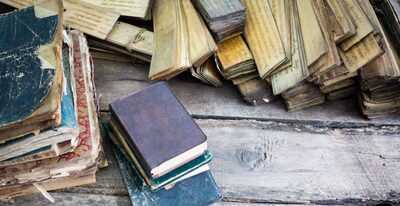
What The Documents Reveal About AI Firm Anthropic Destroying Rare Physical BooksAccording to reporting by The Washington Post, based on more than 4,000 pages of unsealed filings from a copyright lawsuit brought by authors, AI company Anthropic ran an internal initiative code-named Project Panama, described in its own planning documents as an effort to “destructively scan all the books in the world.” The project reportedly began in early 2024, with the company spending tens of millions of dollars acquiring potentially millions of physical books, before mechanically slicing off their spines using industrial equipment, scanning each page, and sending the remains for recycling.
One internal document instructed staff to keep the initiative confidential, stating plainly, “We don’t want it to be known that we are working on this.”
More DetailsAnthropic reportedly explored a range of sourcing channels, including libraries and secondhand bookstores such as New York’s Strand Book Store, before eventually purchasing large volumes of books from used-book retailers including Better World Books and the UK-based World of Books. Vendor proposals reviewed as part of the filings indicated plans to digitize between 500,000 and 2 million books over a six-month window. To lead the effort, the company reportedly hired Tom Turvey, a former Google executive previously involved in building Google Books more than two decades earlier.
Booksellers who spoke to The Washington Post on condition of anonymity noted that rare, out-of-print titles with limited surviving copies were reportedly among the material acquired and processed, raising concerns about the long-term impact on secondhand and rare book markets, since once a scanned book is destroyed, no replacement copy remains.
Read More: Samay Raina Confirmed Alia Bhatt, Sharvari’s Appearance On India’s Got Latent 2; More Details Inside
Why Books Mattered So MuchBooks were reportedly viewed internally as a uniquely valuable training resource due to their higher writing quality compared to much of the content available online. According to the report, one Anthropic co-founder wrote that books could help train AI models to “write well,” in contrast to what was described internally as “low quality internet speak.”
The origins of Project Panama are reportedly tied to earlier legal exposure the company faced over previously acquired pirated book collections, which prompted a shift toward legally purchasing physical copies instead. Anthropic ultimately agreed to a $1.5 billion settlement with authors and publishers over related copyright claims in August, without admitting liability.
Separately, a federal judge ruled that digitizing legally purchased books for AI training purposes constituted fair use, a decision now expected to influence how other AI companies, including those facing similar lawsuits involving Meta, OpenAI, and Google, approach sourcing print material for model training going forward.
Read More: Who Is Madhur Virli? The IIT Delhi Graduate, Stand-Up Comedian At The Center Of Another Rape Joke Controversy
The post Why AI Firm Anthropic Is Buying And Destroying Rare Physical Books? first appeared on MissMalini.