
1. Why can dirty rainwater become a problem?
While standing water on the street may appear clean, it can contain dust, dirt, bacteria, and other microorganisms. This is why it’s crucial to thoroughly clean your feet after coming into contact with rainwater. Even minor carelessness can lead to skin problems.
2. Clean your feet thoroughly as soon as you reach home
First, wash your feet with clean water and mild soap. Be sure to thoroughly clean any dirt between your toes, around your nail beds, and on your heels. This simple habit can help keep your feet healthy for a long time.
3. Soothe your feet with lukewarm water.
Fill a tub with lukewarm water and soak your feet in it for 8 to 10 minutes. If desired, add a little Epsom salt. This will help reduce foot fatigue and help remove dirt from your skin.
4. Add a few drops of tea tree oil.
If you have tea tree essential oil available, add 2–3 drops to water. It is known for its antifungal and antibacterial properties. However, always use it in moderation and according to the instructions.

5. Remove dead skin and soften your feet.
After a foot soak, gently scrub your heels and soles with a pumice stone or a soft foot brush. This removes dead skin and leaves your feet feeling cleaner, softer, and fresher.
6. Don’t forget to dry your feet thoroughly.
People often wash their feet but forget to dry them properly. Moisture, especially between the toes, can increase the risk of fungal infections. Therefore, it’s crucial to dry your feet thoroughly with a soft towel.
7. Apply moisturizer:
After your feet are completely dry, apply a light moisturizer or aloe vera gel. This helps keep your skin hydrated, prevents dry heels, and keeps your feet soft for longer.
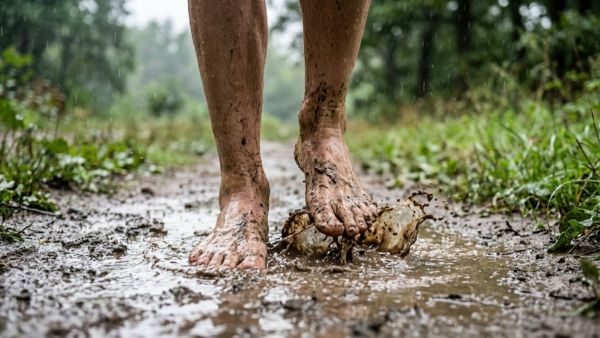
8. Follow these habits during monsoons
Note: This foot care routine is for general care. If you have diabetes, any skin conditions, or a pre-existing fungal infection, it’s best to consult a dermatologist before trying any home remedies.