How to have a healthy heart? Cardiologist Dr Ashima Bhelotkar shares a workout routine with tools to lower disease risk
Samira Vishwas August 02, 2026 09:24 PM
Tavishi Dogra is a Deputy Chief Content Producer, Health & Wellness, at Read. She has over 9 years of experience writing about fitness, nutrition, and mental well-being, translating medical research and expert insights into practical advice readers can trust.
Career journey and experience
Tavishi began her health journalism journey in 2017, and has since reported for RSTV, Financial Express, Jagran, Tezzbuzz Media Labs and Zee. She joined Read to simplify wellness subjects by cutting through jargon.

From decoding health trends and interviewing doctors to testing fitness routines herself, Tavishi always approaches content with one filter: “Will this help someone make a better decision today?”

Subject expertise
With 9+ years tracking India’s health conversations, Tavishi knows the gap between clinical advice and daily life. She knows fads from fundamentals and curates science-backed, expert-recommended solutions.

In fitness, she breaks down bodyweight training, recovery, and posture fixes for desk-bound readers. In nutrition, she translates guidelines into affordable, desi meal tweaks. In mental well-being, she focuses on stigma-free, actionable tools — all backed by research, expert input, and lived context.

Education and professional background
Tavishi holds a Master’s degree in Journalism and Mass Communication and began her career reporting on public affairs for broadcast. Those early years in policy and TV shaped how she writes today: fast, factual, and human-first.

Editorial Philosophy
I write with one single goal: To simplify health in a world full of noise by finding what’s actually doable, safe, and evidence-based for my readers. I test claims against research and user experiences. When all else fails, I speak to the expert who sees 50 patients a day, not the one with the most followers.

Read moreRead less

Your daily habits are crucial for keeping your heart healthy, starting from when you wake up to when you go to bed. A simple morning workout routine shows how small lifestyle changes can enhance your heart health, increase your energy, and lower your risk of heart disease.

“Your heart does not thrive on the modern workday. Sitting for long hours, depending on caffeine, treating protein as an afterthought, and checking emails late can hurt your sleep, blood pressure, glucose levels, and stress hormones. To support your heart, focus on building healthy daily habits instead of striving for perfection,” Dr Ashima Bhelotkar, Cardiovascular Surgeon, tells Health Shots.

How does working out reduce the risk of disease?

A regular morning workout can help lower the risk of many diseases. Here is a simple and effective routine with exercises and tools you can use:

  1. Warm-up (5-10 minutes): Do jumping jacks for 2 minutes to raise your heart rate. Then, do dynamic stretches like arm circles, leg swings, and hip circles to improve your mobility.
  2. Cardiovascular exercise (10-15 minutes): Jumping rope is a great way to improve your heart health. It helps your heart and lungs work better. If you have a treadmill, try running or brisk walking for 10 to 15 minutes.
  3. Strength training (15-20 minutes): Do bodyweight squats 3 sets of 10-15 reps to build lower body strength. Aim for 3 sets of push-ups of 8-12 reps to improve upper body strength and support joint health. Use dumbbells for 3 sets of 10-12 reps. Focus on strengthening your back.
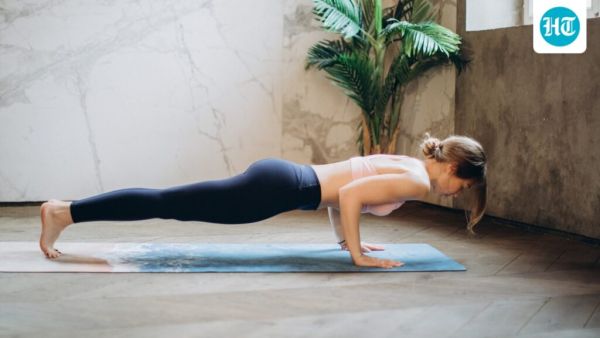
  4. Core exercises (5-10 minutes): Hold planks for 20 to 30 seconds and repeat 2 to 3 times to strengthen your core. Do 3 sets of 15 repetitions on each side to work your obliques.
  5. Cool down (5-10 minutes): Focus on static stretches of major muscle groups: hamstrings, quads, back, and shoulders. Deep breathing helps in relaxation and lowers stress.

Tools to consider:

  1. Resistance bands: Effective for strength training and versatile for different exercises.
  2. Dumbbells: Great for varied strength training exercises.
  3. Yoga mat: Provides comfort during ground exercises and stretches.

Morning routine for a healthy heart

Start your day with natural sunlight before using your phone. Get daylight in your eyes before your phone distracts you. Step outside for a few minutes in the morning. “Eat a protein-rich breakfast before you reach for coffee”, says the surgeon. Foods like eggs, Greek yoghurt, or a protein smoothie help keep your blood sugar steady and support your nervous system.

How long should I walk after lunch?

A short walk after lunch can greatly improve heart health and help control blood sugar. “This is one of the best habits for better blood sugar levels, circulation, and breaking the routine of sitting at a desk all day”, says the doctor. To maintain energy and support heart health, build your lunch around protein, fibre-rich foods, vegetables, and healthy fats.

Which evening habit is best for heart health?

For the evening, choose gentle activities instead of intense workouts. You can do weight training, yoga, or play with children to keep your body moving without straining it. “Then, have a proper dinner, dim the lights, and avoid screen time on your phone right before bed”, says Dr Bhelotkar. Getting enough rest and sleep is crucial for your heart health. It’s important to give your body healthy signals every day to protect your cardiovascular health.

(Disclaimer: At Read, we help you stay up to date with the latest trends and products. Read has an affiliate partnership, so we may get a part of the revenue when you make a purchase. We shall not be liable for any claim under applicable laws, including, but not limited to, the Consumer Protection Act, 2019, arising from the products. The products listed in this article are in no particular order of priority, and the brands have not been directly suggested by the expert mentioned.

This article is for informational purposes only and is not a substitute for professional medical advice. Always seek the advice of your doctor with any questions about a medical condition.)

© Copyright @2026 LIDEA. All Rights Reserved.