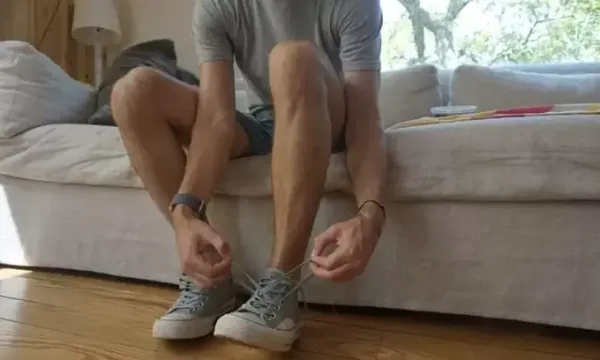
A CBS News survey found that 37% of Americans wear shoes indoors, with the practice particularly common among people aged over 45.
Convenience
For people who regularly move between the house and outdoors, removing and putting on shoes several times a day can be inconvenient.
This is especially true for those wearing heavy work boots or cowboy boots, which can be difficult and time-consuming to take off.
Cultural traditions
Indoor footwear habits vary widely between countries.
In Japan and several Nordic nations, guests are generally expected to leave their shoes at the entrance to keep the home clean and show respect for the host.
In the U.S., however, keeping shoes on has traditionally been considered socially acceptable and may even signal that a household is ready to receive visitors. American television programs and movies have also helped normalize the habit.
|
Illustration by Unsplash/CC0 Public Domain |
Different views on hygiene
Families do not always share the same definition of cleanliness.
Some Americans feel more comfortable wearing shoes because the soles protect their feet from dust, dirt and objects on the floor.
American Ron Palancik told BuzzFeed that he grew up wearing shoes indoors and feels safer and better supported with them on. “Frankly, non-shoe-wearers could tone down the judgmental way you talk about this. Personally, I am used to having solid shoes on my feet most of the time. I feel supported and safe, and whatever is on the floor is not getting at me. It is more comfortable, and it is what I am used to, from having grown up that way.”
Research, however, has raised concerns about the cleanliness of outdoor footwear. A 2008 study led by Dr. Charles Gerba at the University of Arizona found that shoe soles could carry more than 421,000 units of bacteria, encouraging some families to adopt strict shoe-free policies.
Personal comfort
For many people, the decision simply comes down to individual preference.
Those with foot pain or structural problems may need supportive footwear rather than walking barefoot. Others prefer bare feet or change into slippers after entering the house.
Health considerations
Health needs can also influence indoor footwear choices.
The American Podiatric Medical Association says supportive shoes can cushion adults’ feet and help improve posture.
Family upbringing also matters. One Massachusetts resident said that their father insisted everyone wear shoes indoors to prevent splinters and stubbed toes, as well as to stay warm in a house kept at a low temperature.
Climate
Weather conditions and the type of flooring inside a home can also shape the habit.
In colder parts of the U.S., shoes help keep feet warm, particularly in homes with hardwood, tile or other uncarpeted floors that can become uncomfortable during winter.
Ultimately, whether Americans wear shoes indoors depends on a mix of convenience, tradition, hygiene beliefs, health needs and personal lifestyle.