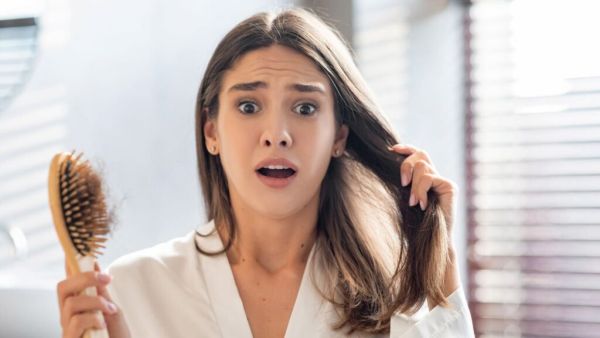
Tezzbuzz Desk – Hair loss is a common problem these days. Many factors, including changing lifestyles, stress, lack of sleep, hormonal changes, and nutritional deficiencies, can affect hair health. Meanwhile, the question often asked is, can protein deficiency cause hair loss?
In fact, hair health doesn’t depend solely on shampoo, oil, or other hair care products. Diet and the nutrients the body receives also play an important role. Hair is primarily made of a protein called keratin. Therefore, not getting enough protein can affect hair growth. However, it’s not correct to associate all hair loss with a protein deficiency. Let’s understand the connection.
A protein called keratin plays a crucial role in hair structure. If the body doesn’t receive adequate dietary protein for a long period of time, it can impact normal hair growth. In the face of a nutritional deficiency, the body prioritizes available nutrients for organs and processes more essential for life. This can impact processes like hair growth. This can lead to thinning or more hair loss in some individuals.
If your hair is falling out, it doesn’t necessarily mean you’re protein-deficient. Many other factors can contribute to hair loss. Stress, hormonal changes, genetics, iron deficiency, thyroid problems, rapid weight loss, certain illnesses, and side effects of medications can also cause hair loss. Therefore, it’s best to seek professional advice rather than resorting to protein supplements or any other treatment without knowing the cause.
Protein deficiency can affect not only hair but other parts of the body as well. Some people may feel weak and fatigue quickly.
Additionally, symptoms such as muscle weakness, hair loss, delayed wound healing, and, in some cases, swelling may appear. Changes in the condition of the skin and nails may also be observed.
However, these symptoms can also appear in many other health problems, so it’s not right to assume protein deficiency based on symptoms alone.
A balanced diet is crucial to meeting the body’s protein needs. Vegetarians can include lentils, chickpeas, kidney beans, soybeans, tofu, cheese, milk, yogurt, nuts, and various seeds in their diet. Foods like eggs, fish, and chicken are also good sources of protein. Try to include a source of protein in different meals throughout the day. However, the amount of protein the body needs depends on a person’s age, weight, physical activity, and health status.
Protein alone isn’t enough to maintain healthy hair. Other nutrients, including iron, zinc, and several vitamins, also play a role in normal hair growth. Therefore, it’s more important to eat a balanced and nutritious diet rather than focusing on a single nutrient. Avoid excessive intake of any vitamin or protein supplement without testing.
A few hairs falling out daily can be part of the normal hair growth cycle. However, if hair loss suddenly becomes excessive, patches or gaps appear on the scalp, or hair loss continues for several weeks at a higher rate than normal, it should not be ignored. If this is accompanied by sudden changes in weight, persistent fatigue, weakness, or other unusual symptoms, it is best to consult a doctor or dermatologist. If necessary, a doctor can diagnose nutritional deficiencies, thyroid problems, or other possible causes through tests.