Tech Tips: Most people believe that when a phone's battery shows 1%, only 1 percent of the charge remains. However, this is not entirely accurate.
In today's digital age, smartphones have become a necessity, and most people rely heavily on them. Consequently, when the battery drops to 1%, the biggest concern is how much longer the device will last. Sometimes, a phone continues to run for quite a while on 1% battery, whereas at other times, it shuts down within seconds. Let’s explore the real reason behind this.
It is worth noting that while most people assume a 1% reading means exactly 1% of the charge is left, this isn't strictly true. The battery percentage displayed on a smartphone is an estimate determined by the system based on factors like battery voltage, temperature, usage patterns, and the battery's overall condition.
Manufacturers intentionally keep a small amount of battery power in reserve to prevent the device from shutting down abruptly. This means that even when the display shows 1%, there is still some extra power remaining to keep the phone running. People often wonder exactly how long a phone can be used at this 1% level. In reality, there is no fixed duration, as it depends on various factors. With normal usage, a smartphone might last anywhere from a few minutes to 10–15 minutes on 1% battery. However, if the phone is simply on standby, it could last even longer.
You may have noticed that sometimes a phone stays on for a long time even after showing 1% battery. This is due to the battery management system. The smartphone's operating system regulates power consumption and disables certain features during the final stages to extend the phone's runtime.
Additionally, phone manufacturers set a safety limit to prevent the battery from draining completely. If a lithium-ion battery were to deplete entirely, it could suffer damage. The experience of having 1% battery remaining can differ between new and old smartphones. If a phone's battery has aged or lost its capacity, the device might shut down abruptly even when showing 1% charge.
Lithium-ion batteries degrade over time. Often, the displayed battery percentage may appear accurate, but the battery can no longer hold as much actual power. This is why older phones sometimes shut down unexpectedly even when the battery level is around 20–30%.
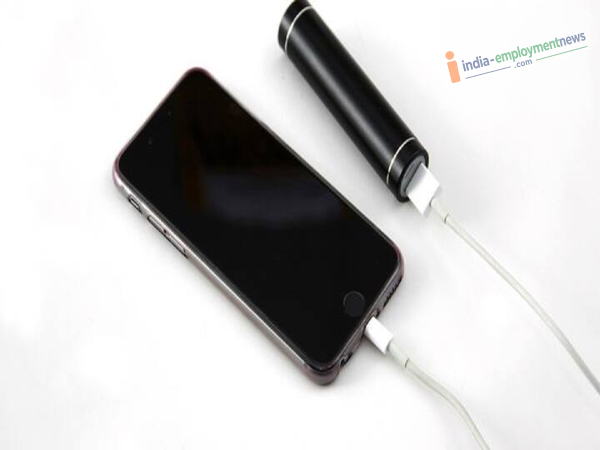
If your phone is down to 1% battery and you do not have a charger handy, you can use a few methods to extend its life a little longer: lower the screen brightness; turn off mobile data and Wi-Fi; disable Bluetooth and location services; close background apps; and prevent the phone from overheating. You can also use Airplane Mode if you do not need connectivity.
Generally, it is not considered ideal to repeatedly drain a smartphone battery completely. Although modern lithium-ion batteries have improved significantly compared to older ones, maintaining the charge level between approximately 20% and 80% is still considered best for long-term performance. While letting the battery drop to 1% occasionally is not a major issue, doing so frequently can negatively impact the battery's health.