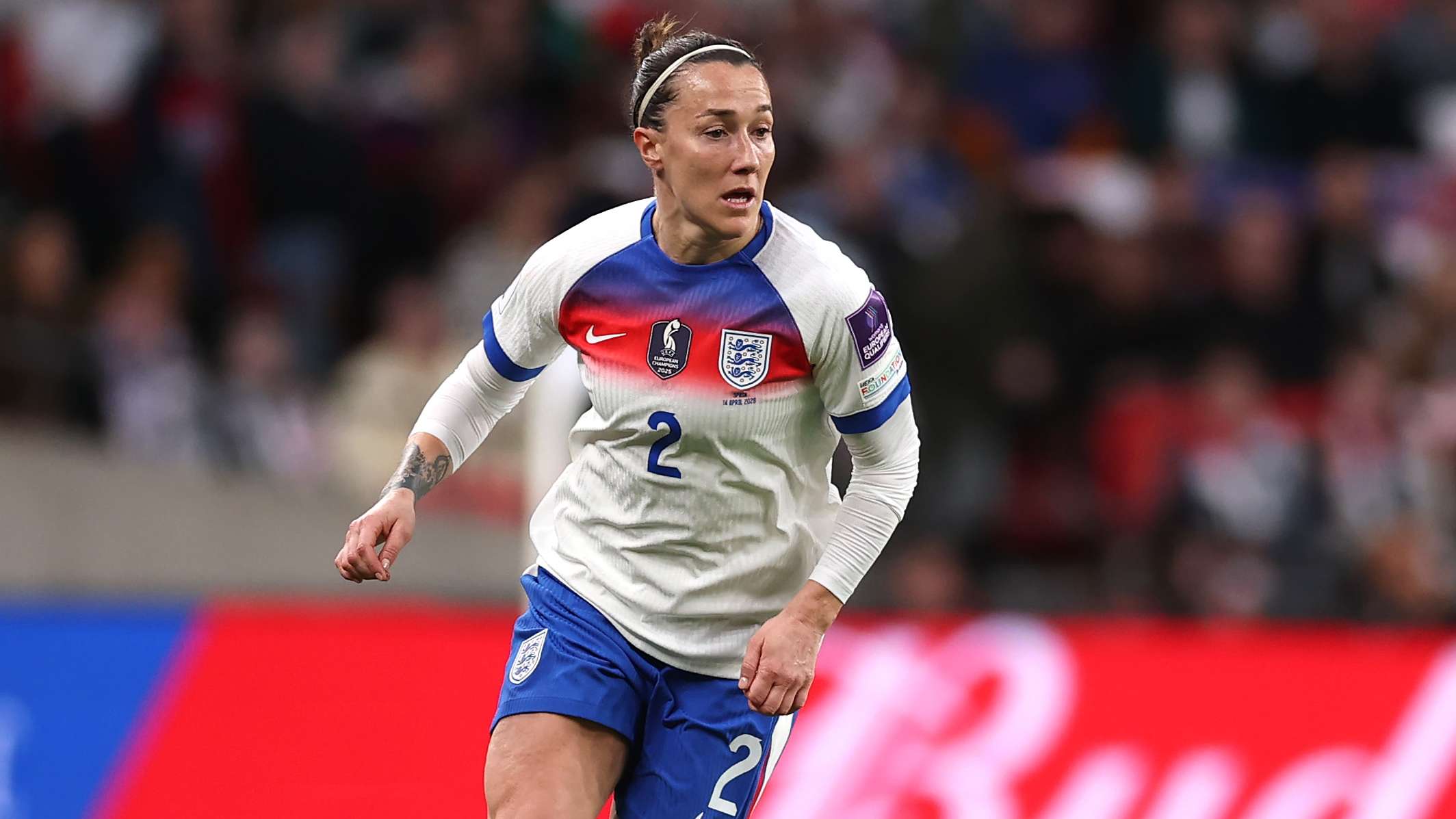
England mainstay Lucy Bronze has strongly backed the possibility of a UEFA boycott of FIFA competitions, saying tough steps are needed to protect the long-term integrity of the sport. The Chelsea defender believes standing by collective principles matters more than immediate involvement in major international tournaments.
The principles behind the boycott
The atmosphere in international football remains tense as European member associations consider the prospect of a complete boycott of FIFA-sanctioned events. The position emerged after FIFA president Gianni Infantino suggested selling stakes in different competitions to private investors, a proposal that was met with strong opposition from UEFA’s 55 member nations.
Bronze, speaking during Chelsea’s pre-season tour of New Zealand, made it clear the players are ready to go ahead with the protest if it is for the wider good. “I think the players who play in those competitions, the European players, we stand by our beliefs and what the right thing is for our game,” she said.
Impact on youth and senior tournaments
The immediate consequences of any such boycott would likely be felt most sharply in the women’s game, with several major tournaments approaching. The FIFA Under-20 Women’s World Cup is due to start on September 5, and it includes a strong European presence in the form of England, France, Italy, Portugal, Spain and hosts Poland.
Bronze accepted the seriousness of the situation but kept her focus on the bigger picture. “And if that means boycotting competitions, then that has to happen,” she said, underlining that the threat of withdrawal is genuine. The defender’s remarks point to a united stance among top European players who are becoming increasingly uneasy about the direction in which FIFA is taking the game.
Protecting the next generation
For Bronze, the reason for supporting such a drastic step is based on a desire to leave football in a better condition than she found it. She believes the pushback against private investment stakes is about far more than present-day politics; it concerns the sport’s legacy for many years ahead. “It’s for the future of the game and not just for me today and tomorrow. It’s for all the little girls or little boys who come after us to make sure that they’re in a good place when the game’s moving forward in decades to come, not just tomorrow.”
This long-range view reflects a growing pattern of athlete activism in the women’s game, where players are often leading calls for improved conditions and governance. Bronze’s insistence that the boycott is “for the future” acts as a rallying message for her team-mates and fellow players across Europe. This comes even after FIFA stepped back from its controversial plans and Infantino apologised for his “errors”; however, UEFA said in a statement on Thursday that a boycott is still being considered.
The road to the 2027 World Cup
The pressure will only increase as qualification for the 2027 Women’s World Cup in Brazil moves forward. In October, England, Northern Ireland, Scotland, Wales and the Republic of Ireland are all due to play crucial qualifiers. If the UEFA boycott goes ahead, those teams would not take part in the play-offs, effectively ending their chances of reaching the finals.
The loss of Europe’s top-level talent would leave FIFA with a significantly weakened product and could cause a lasting split in the relationship between Zurich and Nyon. That divide would be felt straight away in age-group football too, with the Under-17 Women’s World Cup also set to be held in Morocco in October. Even so, the message from the England camp remains unmistakable: the integrity of the sport is not for sale.