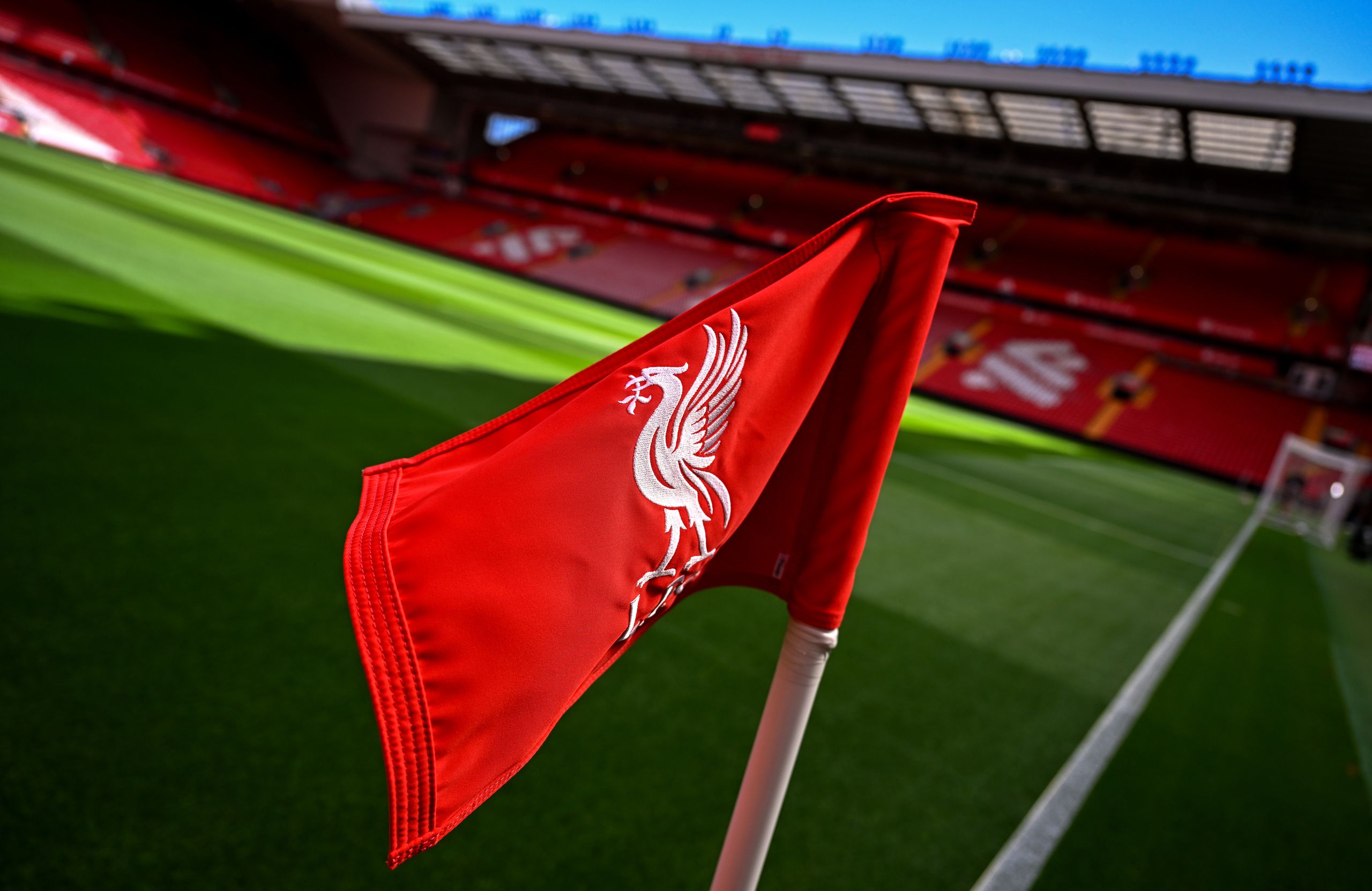
The proposed alteration to Liverpool’s ownership structure could have significant implications for the balance of power in the Anfield boardroom.
Bill Shankly once famously said that a football club is built around a holy trinity.
Players, the manager and the supporters were central to the Liverpool great’s philosophy, while ‘directors don’t come into it – they are only there to sign the cheques’.
Fenway Sports Group have regularly had that sentiment thrown back at them by the Anfield faithful whenever their 16-year spell in charge has drifted too dangerously towards perceived greed.
As owners of the Reds, the Americans have scored more own goals than Jamie Carragher. From helping to push the doomed European Super League to a brazen bid to trademark the word ‘Liverpool’ – and plenty else besides – John W. Henry and company have repeatedly been forced into humiliating U-turns.
FSG’s period in control on Merseyside was always likely to come with a limited lifespan, particularly as frontmen Henry and Tom Werner assumed control of a club weighed down by debt and disorder in October 2010 at the ages of 61 and 60 respectively. Even Mike Gordon, who has overseen the day-to-day running, is now in his seventies.
The Boston-based investment group are not actively seeking an exit route, but a possible succession plan has now taken shape amid discussions over selling a minority stake to a consortium led by former Queens Park Rangers chairman Amit Bhatia.
This is not the first time Liverpool’s power structure has been diluted, with Dynasty Equity acquiring a small share in 2023 in a deal valued at between £82m and £164m, but this latest move gives the owners of the Boston Red Sox a credible long-term route out.
Bhatia’s consortium, backed by his father-in-law and steel magnate Lakshmi Mittal, is targeting a 30% share in return for a £1.35bn investment that would lift the club’s valuation to £4.5bn – placing it above a number of Premier League rivals.
Several major names are also being sounded out to add further financial weight to the bid, with Amazon founder Jeff Bezos and Facebook co-founder Eduardo Saverin both recently approached about joining, though neither has shown a clear preference either way.
Regardless of whether those two come on board, Bhatia’s possible involvement could prove beneficial; not least because Mittal’s estimated wealth stands at £23.2bn – almost two-and-a-half times higher than the current valuation of FSG’s entire sports portfolio.
The 46-year-old is far from a typical football club investor. Unlike some of those he may join, he would not face any real learning curve, having already lived through the many highs and lows of ownership across 18 seasons in the corridors of power at Loftus Road.
In ‘The Four Year Plan’, the documentary that followed QPR’s push to get back into the Premier League, he is shown as a careful and diligent operator who frequently calmed tensions inflamed by the combative majority shareholder Flavio Briatore. While the Italian attracted most of the supporters’ anger, Bhatia’s readiness to engage – both inside and outside the boardroom – won him a substantial amount of goodwill. Even after the documentary cameras were gone, he continued to show a strong grasp of the values supporters hold dear in their emotional bond with the club.
That was never clearer than when he chose to resign as the Hoops’ vice-chairman just weeks after the club had secured a first top-flight campaign since 1995/96, because of plans for a 40% increase in season-ticket prices. Although he later returned to the club’s hierarchy, the episode offers a clear indication of what Kopites might expect if he joins their ranks.
FSG have repeatedly tested the limits over Anfield ticket prices, most recently at the end of last season when they faced renewed opposition to plans to raise prices over the next three years in line with inflation. Their initial insistence on the proposal did not last long, but it only reinforced the mistrust that many of the club’s core supporters still feel towards those in charge.
Bhatia could help soften those tensions by appearing to be a supporter’s voice in the directors’ box. His preference for avoiding the stiff matchday suits favoured by his potential future colleagues is matched by his willingness to embrace football’s raw emotion, even if he has at times gone overboard by soaking up the atmosphere at QPR’s training ground while dressed in full training gear complete with his initials.
Liverpool supporters could be forgiven for worrying that this possible new minority investor might simply be another Christian Purslow, whose time as chief executive remains notorious, but Bhatia is hardly cut from the same cloth as the self-styled ‘Fernando Torres of finance’.
He is also entirely comfortable operating alongside big names and big personalities, as shown by the ambitious attempts to bring in Bezos and Saverin, as well as his clashes with Briatore and fellow Formula 1 heavyweight Bernie Ecclestone during his years in west London.
If Bhatia does emerge as Liverpool’s new heir apparent in the boardroom, supporters could do a lot worse than having someone well connected and sympathetic to fan concerns helping guide them into the eventual post-FSG era.