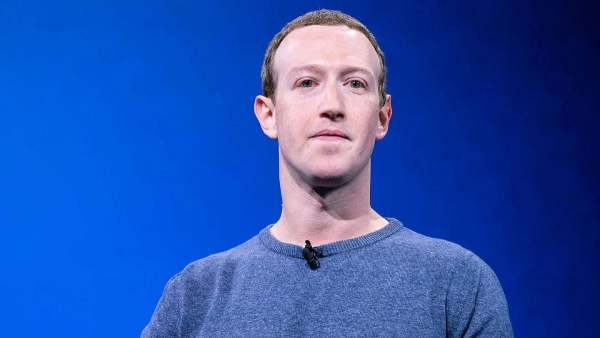
Meta CEO Mark Zuckerberg has argued that AI superintelligence should be distributed widely rather than controlled by a few labs, companies or governments. In his essay The Future Is for Everyone, he outlined Meta’s vision of personal AI agents that can assist with careers, finances, health and education while maintaining strong privacy protections.
Meta CEO Mark Zuckerberg has published a lengthy essay titled 'The Future is for Everyone', arguing that AI's power must be spread to individuals rather than concentrated among a handful of labs, companies or governments. To make his case, he uses a courtroom analogy, "Imagine only one person had a superintelligent lawyer. They would have an unfair advantage in court, even if they were wrong on the merits," he writes. "But now imagine everyone has a superintelligent lawyer. In this case, justice would be carried out much more fairly and efficiently than it is today." The essay outlines Meta's philosophy for what Zuckerberg calls 'personal superintelligence.'
The case against a single, all-knowing AI
Zuckerberg extends the lawyer analogy to cybersecurity and business, arguing that if only one person or company had a superintelligent tool, they could dominate everyone else unfairly, while universal access would instead level the playing field. Underlying this is his belief that no single AI system, however advanced, could act in everyone's best interest at once, since people's values and interests genuinely conflict with one another. He is critical of AI labs that warn of existential risk while pursuing paths that concentrate control, writing that trusting an 'absolute power' to behave benevolently has rarely produced safe outcomes historically.
A personal AI agent for everyone