The Iran war showed fresh signs of dragging on Tuesday as the United States and Yemen’s Iran-aligned Houthis reported separate attacks on shipping, while Tehran warned that the strategically vital Strait of Hormuz would remain closed unless Washington agreed to its conditions for ending the conflict.
The incidents occurred in the Gulf of Oman, which leads towards the strait, and near the entrance to the Red Sea. Both waterways are crucial chokepoints for global oil supplies. The latest attacks came despite repeated claims by US President Donald Trump that a deal to end the war could be close.
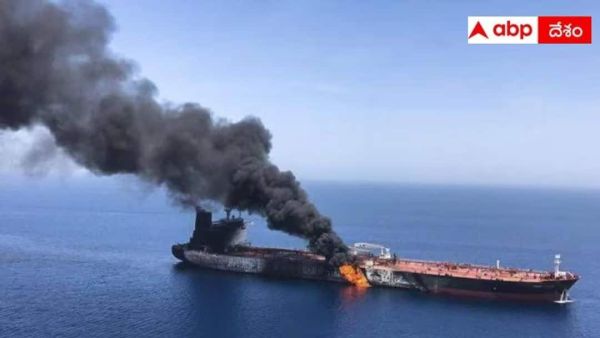
Four crew members were killed when Iran-backed Houthis attacked a cargo ship in the Bab el-Mandeb strait, Yemen’s transport ministry said. Two Yemeni rescuers from an anti-Houthi military group were also killed, according to the country’s Coast Guard.
The vessel involved was the Egyptian-owned Tihamah. The reported deaths would mark the first fatalities among shipping crews caused by Yemen’s Iran-aligned Houthis since the Iran war began.
The Houthis later said they had attacked a ship carrying Saudi military equipment in the Bab el-Mandeb, although they did not identify the vessel. Saudi Arabia’s Center for International Communication did not immediately respond to a request for comment.
The British navy-affiliated UK Maritime Trade Operations agency reported a separate incident in the strait on Tuesday. It said a ship had been hit by an unknown projectile, without providing further details.
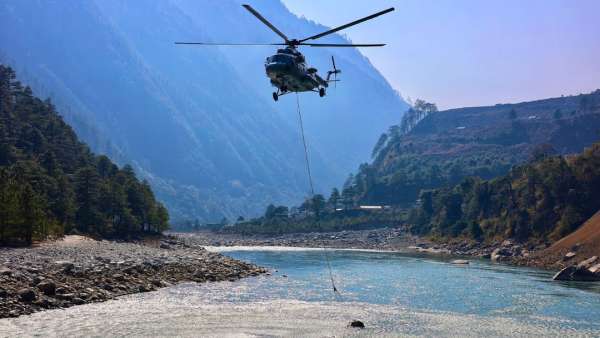
The US military also reported an operation against a cargo ship that was attempting to sail towards an Iranian port. US Central Command said a US Navy MH-60 helicopter fired two Hellfire missiles to disable the steering gear of a Panama-flagged cargo vessel.
According to Central Command, the ship had ignored repeated warnings to stop because it was violating a naval blockade imposed on Iranian ports. Maritime sources told Reuters that the vessel was struck off Pakistan while heading into the Gulf of Oman.
The attacks came as financial markets reacted to renewed concerns that the conflict could continue. Oil prices rose while global shares fell amid growing pessimism over the prospects of a quick resolution. Brent crude futures gained 1.4% to settle at $88.91 a barrel, while US crude rose 1.3% to $83.20.
The latest escalation was accompanied by increasingly forceful rhetoric from both Tehran and Washington.
Iran’s top security official, Mohsen Rezaei, said Tuesday that the Strait of Hormuz would remain closed unless the United States accepted Tehran’s conditions for ending the war. Those demands include the release of Iran’s frozen assets and an end to conflicts across the region, including in Lebanon and Gaza.
Rezaei’s comments came a day after Trump issued a new demand of his own. The US president said Iran should pay compensation for people killed during five decades of wars, attacks and protests.
With both sides hardening their positions and shipping coming under renewed attack at two key regional chokepoints, hopes for an imminent end to the Iran war appeared increasingly uncertain.