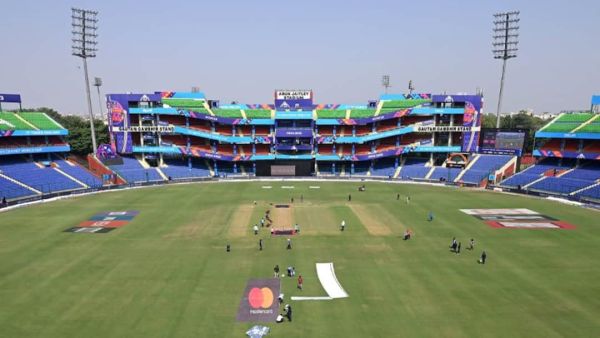
IND vs AFG T20Is: India and Afghanistan are set to face each other in a three-match T20I series beginning September 13, but the fixture list comes with an unusual twist. While the matches will all be staged at Delhi's Arun Jaitley Stadium, Afghanistan will officially be the host. The series is scheduled to take place on September 13, 15 and 17, creating a rare situation in which India is technically playing an away series without leaving the country. That arrangement naturally raises an interesting question: if Afghanistan is the host, who is responsible for the costs and who receives the revenue?
Despite the matches being held in India, the Afghanistan Cricket Board (ACB) remains the official host and will therefore take responsibility for the major expenses associated with the series.
The ACB is expected to cover costs linked to the visiting team's accommodation and transportation, while also taking care of the stadium rental charges and other organisational expenses.
This means that simply playing the series on Indian soil does not shift the financial responsibility to the Board of Control for Cricket in India (BCCI).
The BCCI, however, is expected to assist with the logistical side of the arrangement.
Its role includes helping provide access to grounds, security and other operational requirements. The Indian board can also help the ACB secure various services and supplies at favourable rates.
In short, the BCCI provides support, while the ACB carries the primary financial burden as the official host.
The unusual hosting arrangement also affects where the commercial proceeds go.
Since Afghanistan is officially staging the series, the ACB is expected to retain the revenue generated from the commercial side of the contest.
This includes income associated with broadcasting rights, sponsorships and other commercial agreements.
Ticket sales from the three matches are also expected to contribute to the ACB's revenue.
Therefore, although New Delhi will serve as the venue for all three encounters, the financial structure remains that of an Afghanistan-hosted series.
The arrangement offers Afghanistan the opportunity to host a major bilateral series against India while avoiding the logistical challenges of staging the fixtures in Afghanistan.