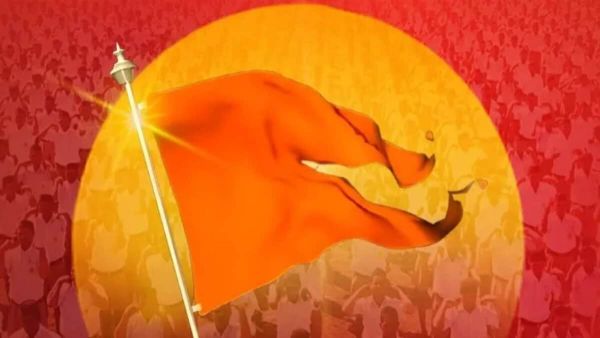
Bengaluru: The Karnataka government’s decision to introduce the ‘Karnataka State Public Places and Access Regulation Bill, 2026’ has sparked a fresh political debate, with the Bharatiya Janata Party (BJP) alleging that the proposed legislation could be used to restrict activities of the Rashtriya Swayamsevak Sangh (RSS) in public spaces.
The proposed legislation seeks to regulate programmes, processions, meetings and other activities organised by various organisations and institutions in public places. Under its framework, organisations may be required to obtain prior permission before holding programmes in public areas. The government is expected to use the legislation to regulate the use of public spaces, maintain law and order and prevent disruption to traffic and public convenience.
The move has, however, attracted attention because of previous disputes involving permission for RSS programmes and route marches. An earlier controversy erupted in Chittapur after authorities denied permission for an RSS route march. The organisation subsequently approached the Karnataka High Court, which allowed the march subject to certain conditions.

The state government had also issued an order in 2025 requiring prior permission for programmes and processions conducted on public property. The proposed Bill could now provide a legislative framework for regulating such activities.
The BJP has questioned whether the proposed restrictions will be applied uniformly to all organisations or whether they could specifically affect RSS activities. Party leaders are expected to examine the provisions relating to permission, restrictions and the powers given to authorities once the Bill is tabled.
BJP MLA Araga Jnanendra criticised the move, alleging that it was motivated by prejudice against the RSS.
The Bill is being brought with prejudice against the RSS. Once it is introduced, we will examine its provisions. But if it is intended to obstruct the organisation’s activities, we will certainly oppose it, he said.
Jnanendra said RSS shakhas were being conducted in public and government spaces and claimed that the organisation was involved in creating disciplined and patriotic citizens.
He also questioned the government’s priorities, alleging that instead of obstructing legitimate organisational activities, authorities should focus on individuals involved in activities that threaten public safety.
The government’s position is expected to be clarified when the Bill is formally introduced in the legislature. Its final provisions will determine whether the regulations apply equally to political, social, cultural, religious and other organisations conducting programmes in public places.
The proposed legislation is therefore likely to become a major political issue during the current session, with the Congress government and BJP expected to debate its scope, implementation and possible impact on organisations conducting activities in public spaces.