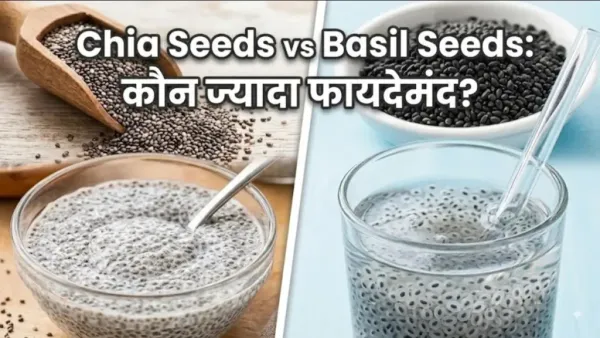
What is the difference between chia and sabja seeds?
Chia and sabja seeds may look quite similar, but both are different seeds. Nutrients like omega-3 fatty acids, fiber, protein and calcium are found in good quantities in chia seeds.
Basil seeds are especially used after soaking them in water. Many nutrients including fiber and iron are found in them. Both seeds can be made a part of a balanced diet.
Chia Seeds: Good option for Omega-3 and fiber
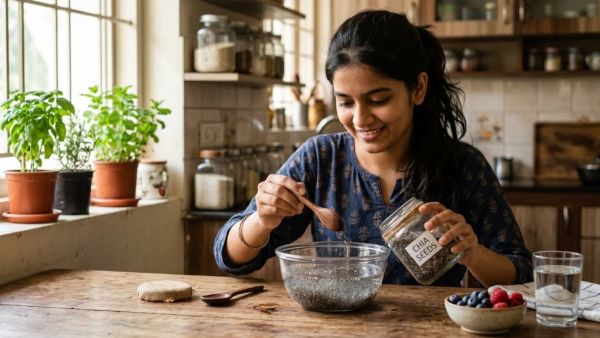
A major reason for including chia seeds in a healthy diet is the fiber and plant-based omega-3 fatty acids (ALA) present in them. Apart from this, protein and calcium are also found in them. Chia seeds can be taken by soaking them in water or milk. They are also added to curd, oats, smoothies or puddings.
Basil Seeds: Trend of eating after soaking them in water
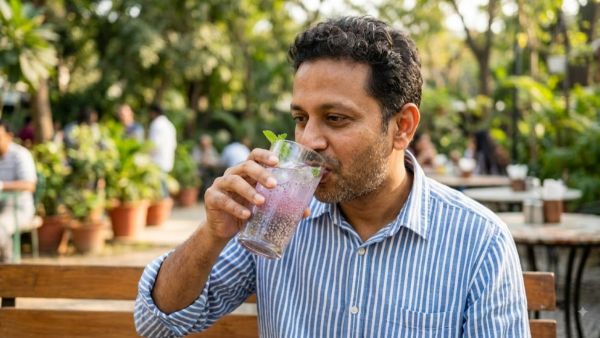
Sabja seeds are also called basil seeds or tukmaria. When put in water, a gel-like layer is formed around these seeds. For this reason, they are often used in sherbet, lemonade and other cold drinks. Keep in mind that it is better to soak Sabja seeds thoroughly instead of just adding them to the drink and eating them immediately.
Chia Seeds vs Basil Seeds: Which One to Choose?
It would not be right to say that either chia or vegetable is best for every person. Both have their own distinct characteristics.
Chia seeds can be chosen if:
You can choose sabja seeds if:
Can we eat chia and sabja seeds together?
Generally both can be included in the diet, but there is no need to take too much quantity together. Both contain fiber, so eating too much may cause bloating or digestive problems for some people.
Which one is better for losing weight?
It would not be right to consider chia or vegetable as a direct weight loss product. Both contain fiber, which can help keep the stomach feeling full for longer. But one should not expect to lose weight just by eating chia or sabja seeds.
Both chia and vegetables can be a part of a balanced diet, but they should not be consumed in excess. While increasing the amount of fiber, it is important to maintain adequate water intake.
FAQs
Q1. Are chia and sabja seeds the same?
No, chia and sabja are two different types of seeds. The structure, nutrition and method of use of both are different.
Q2. Can Sabja seeds be eaten directly?
Sabja seeds are usually eaten after soaking them in water. It is better to use them after they swell well.
Q3. Is it necessary to soak chia seeds?
Soaking chia seeds is a common way to eat them. They can also be taken by mixing them with water, milk or other foods.
Q4. Which is better for weight loss, chia or sabja?
No single seed can be considered a solution for weight loss. Both contain fiber, but overall diet and lifestyle are important to manage weight.
Q5. Can I eat chia or sabja seeds daily?
These can be included in the diet in balanced quantities. First-time users should start with a low dose and drink enough water.
(Disclaimer): This article is for general information. Do not rely solely on this information for treatment of any disease, weight loss, or any specific health problem. Consult a doctor or qualified dietitian as per your individual needs.