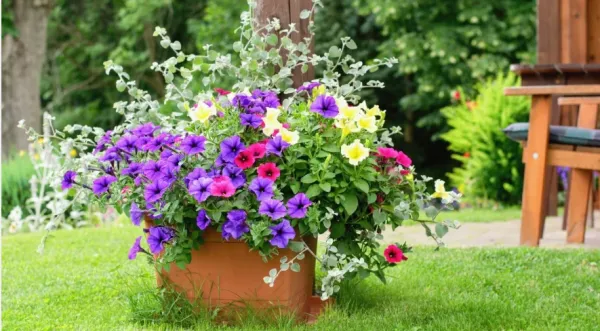
Plant Care Tips: Monsoon season is great for plant growth, but incessant rain sometimes spells disaster for potted flowering plants. Over-watering of the pot causes the roots of the plant to rot and the leaves turn yellow and the plant dries up. If your kunda is also experiencing this problem, there is no need to panic. By following these 5 simple steps, you can make your plants lush and green with flowers again.
1. Do not allow water to accumulate in the trough (check drainage)
The most important rule to prevent plants from rotting in the rain is that the trough should not be even slightly waterlogged. Waterlogging prevents oxygen from reaching the roots and the roots begin to rot.
-
Check especially if the drainage hole at the bottom of the trough is open or not.
-
If the hole is clogged, clean it immediately so that the excess water drains out easily.
2. Be mindful of soil disposal and placement
It is not enough to just have a hole in the pot, the soil should also be such that the water dries up quickly. If the soil is sticky and heavy, the chances of waterlogging increase.
-
During monsoons, keep the pot in a place where it gets enough light but does not receive continuous direct heavy rain on the soil.
-
If water accumulates around plants planted in the ground, raise the soil a little or make a small drain to drain the water.
3. Treat immediately if fungus (fungus) appears on the leaves
Due to increase in air humidity in monsoon, the risk of fungus on plants increases. If white or black spots or rot appear on the leaves, take immediate action:
-
Remove damaged or yellowed leaves immediately.
-
Arrange the trough in such a way that air circulation is maintained around the plant.
-
If necessary, consult an expert and spray with a suitable fungicide.
4. Application of neem water for white mites or worms
Due to humidity in monsoon, small insects or mites are seen on the plants.
-
At the initial stage soak neem leaves in water, strain the water and sprinkle it on the leaves.
-
This natural remedy helps control pests. If the infestation is heavy, consult a specialist for insecticides.
5. Do not water separately on rainy days
Most of the people make the mistake of pouring water in the cistern as a daily habit in monsoon.
-
If it rains and the soil is already wet, there is no need to water separately.
-
Test the moisture by inserting your finger into the soil. Water only if the soil feels dry.
4 important points for cleaning and care
-
Do not allow water to accumulate in a plate or tray placed under the sink.
-
Keep cleaning the drainage hole from time to time.
-
If fungus or worms appear, get immediate attention without waiting.
-
Avoid extra watering when the soil is wet in the rain.