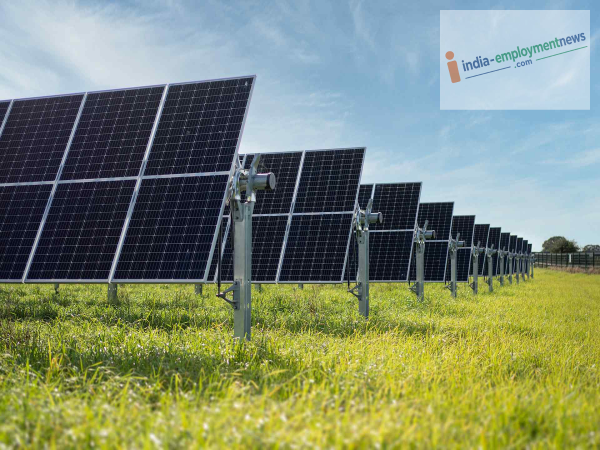
Community Solar: Nowadays, solar energy is viewed as an excellent option for meeting electricity needs. While rising electricity bills are a source of concern for many, solar energy has emerged as a great alternative. However, not everyone has a rooftop large enough to install solar panels. Community Solar offers a model where multiple people collectively source electricity from a large-scale solar project. Let’s understand how this model works.
What is Community Solar?
Essentially, Community Solar is a system where a large number of solar panels are installed at a single location, and the electricity generated benefits multiple households, shops, and other consumers. In this model, individuals can either purchase a share in the solar project or simply pay for the electricity supplied. This means the solar panels are not located on your own roof but are part of a shared solar farm or a large-scale project.
What technology does it use?
Community Solar operates using Photovoltaic (PV) solar technology. The photovoltaic cells within the solar panels convert sunlight directly into DC electricity. This electricity is then routed to an inverter. The inverter converts the DC electricity into AC electricity, making it suitable for use in standard electrical networks and households. The entire system utilizes components such as solar panels, inverters, meters, transformers, and grid connections.
How does electricity travel from sunlight to the home?
When sunlight strikes the solar panels, they generate electricity. This electricity first passes through the system's electrical components and is then connected to the grid.
The electricity generated by a Community Solar project is fed into the local electrical grid. From there, it is distributed to the locations where the electricity supply is required. However, the specific approach depends on local regulations and electricity distribution rules.
No need to install panels at home
In fact, the key advantage of this model is that you do not need to install any solar panels on your roof to secure an electricity supply for your home. Consequently, this model is considered highly beneficial for those with small roofs or homes that receive little to no sunlight.