Iran Says 60-Day US Talks Timeline ‘Lost Relevance’, Blames Washington For ‘Violations’
Sneha August 17, 2026 08:11 PM
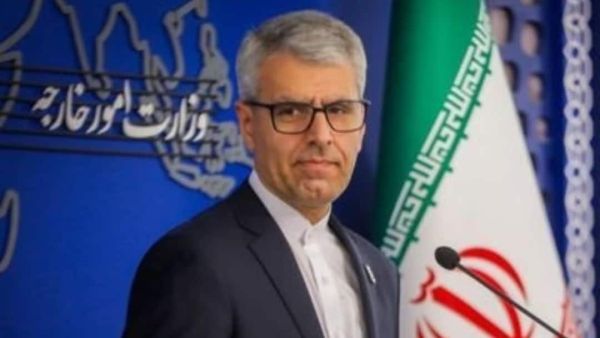
Iranian Foreign Ministry spokesperson Esmaeil Baqaei said the Islamabad Agreement did not set a 60-day deadline, clarifying that the period was intended for discussions on various issues, including the nuclear matter.
Baghaei said negotiations could not begin because of what he described as “flagrant and widespread violations” by the United States.
Iran Rejects 60-Day Deadline Interpretation
Baqaei said the MoU instead envisaged a 60-day period for negotiations on two key issues, the lifting of sanctions and Iran’s nuclear programme. He added that the period could have been extended if the two sides failed to reach an agreement.
However, he said negotiations never began because of what he called the US' “flagrant and widespread violation” of the memorandum.
“Due to the flagrant and widespread violation of the memorandum of understanding by the United States, no dialogue was started just a few weeks after its signing,” Baqaei said.
“As a result, the discussion of the 60-day deadline completely lost its relevance,” he said as quoted by Anadolu Agency.
Iran Says Sanctions Not Main Obstacle
Baqaei claimed that US sanctions had “no impact” on Iran and said the main obstacle to resolving disputes between Tehran and Washington was not a lack of mediators.
He pointed to Pakistan and Qatar as countries already playing a role in Iran-US relations.
Baqaei also said some European countries had naturally expressed their views and offered their “good offices” through bilateral contacts.
However, he clarified that this did not mean a new mediator had emerged or been accepted in Iran-US relations.
Iran, Oman Discuss Strait Of Hormuz Transit
Baqaei said negotiations with Oman over maritime transit through the Strait of Hormuz were continuing.
He said preparing a maritime traffic route map with Oman had taken time because of security complications caused by actions by the US and Israel, multiple actors in the region and what he described as disruptive activities.
According to Baqaei, any understanding reached with Muscat could take the form of a package containing a roadmap and a joint statement.
Missing Iranian Pilots Remain On Agenda
The Iranian spokesperson also said Tehran continued to pursue the fate of Iranian pilots who went missing during the conflict.
“Diplomatic relations with Qatar do not conflict with the serious pursuit of the fate of the army pilots,” Baqaei said.
Qatar's Defence Ministry had announced on March 2 that it had shot down two Iranian Su-24 aircraft. Tehran said four pilots were killed when their aircraft were hit during attacks on a US base in Qatar.
Iran later said the remains of one pilot had been recovered, while the fate of the other three remained unknown. Qatar rejected Iranian allegations on Saturday that the three pilots were being detained by Doha.
Iran-US Conflict And Collapsed Deal
The US and Israel launched attacks on Iran on February 28, prompting Tehran to retaliate against countries hosting US military assets across the region.
Iran and the US agreed to a ceasefire in April and subsequently signed the June memorandum aimed at ending the military conflict and reaching a lasting peace agreement.
The arrangement later collapsed, with Iran and the US exchanging attacks for nearly two weeks before US President Donald Trump abruptly halted the bombardment amid efforts to revive the agreement.