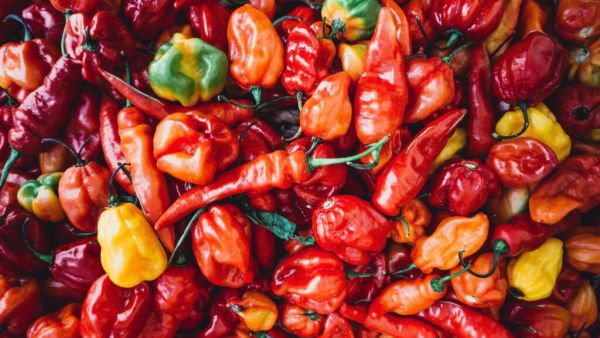
Chillies are a staple in Indian cooking, but some are in a league of their own. In India's Northeast, one particular variety has earned a reputation for a heat level that can challenge even seasoned spice lovers. Small, wrinkled and intensely fiery, it is used in everything from chutneys and pickles to meat preparations. It also gained international attention when its heat level crossed the one-million mark on the Scoville scale.
Photo: Unsplash
The chilli in question is Bhut Jolokia, also known as Ghost Pepper or Naga Jolokia. In 2007, Guinness World Records recognized Bhut Jolokia as the world's hottest chilli pepper after tests recorded a heat level of 1,001,304 Scoville Heat Units (SHU). The testing was carried out by Paul Bosland and his team at New Mexico State University's Chile Pepper Institute, with the findings verified by two independent laboratories.
Although later chilli varieties surpassed it, Bhut Jolokia's Guinness recognition remains a significant chapter in India's food history.
To understand its heat, compare it with a jalapeño. While a typical jalapeño measures only a few thousand Scoville Heat Units, Bhut Jolokia can cross the million-SHU mark. The heat comes from capsaicin, the natural compound responsible for the burning sensation associated with chillies. The Scoville scale measures a chili's heat based on its capsaicin content. The higher the rating, the hotter the chilli.
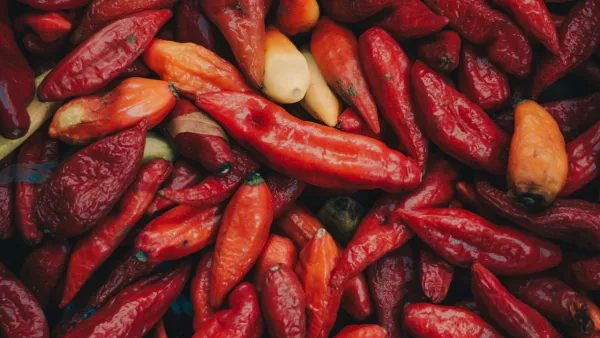
Photo: Unsplash
Bhut Jolokia is native to India's Northeast and is particularly associated with Assam. It is also cultivated in neighboring northeastern states and has strong ties to Nagaland.
The National Portal of India identifies Naga King Chilli, also known as Bhut Jolokia, as a GI-tagged product of Nagaland's Peren district. The chilli is widely used in the region's cuisine and remains an important part of its food heritage.
Despite its fearful reputation, Bhut Jolokia is far more than a novelty ingredient. Across the Northeast, it is traditionally used in chutneys, pickles, spice pastes and meat dishes. Because of its intense heat, even a small quantity can have a significant impact on the flavor of a dish.
Its popularity has also helped create an export market, while its distinctive flavor and heat continue to make it a prized ingredient in regional cooking.

Photo: Unsplash
Bhut Jolokia is commonly known in English as the Ghost Pepper. The name is linked to the Assamese term bhut jolokia. The word “bhut” is often translated as “ghost”, although explanations for the name vary. Whatever its origin, the nickname has endured, thanks in part to the chilli's formidable reputation for heat.
Though it no longer holds the Guinness record, Bhut Jolokia remains one of India's most famous chillies. Deeply associated with the cuisines of the Northeast, it continues to be celebrated for its intense heat, distinctive flavor and unique place in India's culinary heritage.