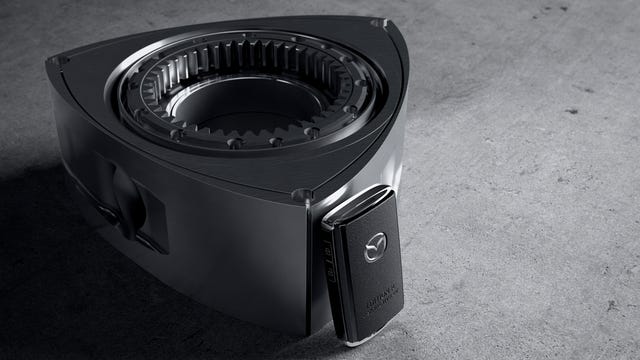
At a time when electric motors and widely used 2.0-litre turbocharged four-cylinder engines dominate the market, enthusiasts continue to crave powertrains with more character. Few fan groups have been as outspoken as Mazda loyalists, especially those hoping to see the Wankel rotary engine make a comeback. While that return does not appear to be imminent based on what is currently known, patent filings with the United States Patent and Trademark Office (USPTO) show that Mazda is still, at least to some extent, working on ways to refine its much-loved rotary design.
Mazda’s latest filing with the USPTO, first highlighted more widely by CarBuzz, specifically deals with a fresh exhaust gas recirculation (EGR) arrangement for a rotary engine. EGR systems are well established in internal combustion vehicles, and almost every modern petrol- and diesel-powered vehicle uses the technology in some form. The system works by routing a portion of exhaust gases back into the engine to help cut emissions. However, the word almost is important here: most Mazda rotary engines have traditionally not used this setup, because the rotary’s unique design allows a degree of gas mixing to happen within the housing itself. That said, the range-extender unit used in the MX-30 Skyactiv R-EV does employ an EGR system.
This newly published patent outlines a different way of implementing EGR within a rotary engine. According to the filing, Mazda would divide the exhaust flow between the side port and the peripheral ports in the rotary housing. The hotter exhaust gases from the side port would be sent straight to a turbocharger, while the cooler exhaust gases exiting the peripheral port would be routed back into the block before passing through a dedicated EGR cooler. Since this portion of the exhaust is already cooler than the gas coming from the side port, the cooler itself can be made significantly smaller than would otherwise be necessary. In theory, that could enable Mazda to extract more power from the engine without sacrificing emissions performance.
Even so, bringing a rotary engine into compliance with present-day emissions regulations is far from simple. Mazda has been investing effort in trying to make that happen for quite some time, but so far the closest result is the previously mentioned range-extender unit offered in international markets. Still, considering how often Mazda continues to discuss the possibility of adding a sports car positioned above the Miata in its line-up, there is still reason to remain cautiously optimistic.