Officials of a US advisory body on religious freedom have called for sanctions against the Rashtriya Swayamsevak Sangh (RSS) and urged Washington to withhold diplomatic courtesies and high-level meetings from its leaders.
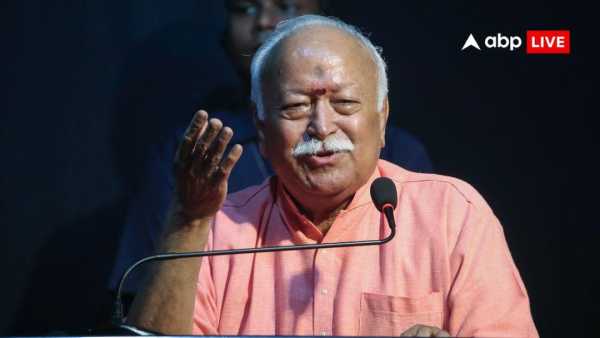
The comments by officials of the US Commission on International Religious Freedom (USCIRF) came ahead of RSS chief Mohan Bhagwat’s planned visit to New York on August 29 for the ‘Universal Oneness Celebrations’, organised by American Hindus for Engagement and Dialogue (AHEAD).
The remarks have added to criticism surrounding Bhagwat’s planned US visit, with rights groups also raising concerns over allegations of attacks on religious minorities involving groups linked to the RSS network.
In a post on X, the USCIRF shared remarks by Commissioner Gene Mills, who referred to comments by USCIRF Chair Asif Mahmood describing Prime Minister Narendra Modi as a member of the RSS. Mills said groups affiliated with the organisation had been accused of attacks against religious minorities, including Christians and Muslims.
Mills also referred to Bhagwat’s planned US visit and said RSS leaders should not receive high-level meetings or diplomatic courtesies, even when they have links to the Indian government.
He instead called on the US government to consider sanctions against RSS members found responsible for violations of freedom of religion or belief.
The advocacy group Hindus for Human Rights has also criticised Bhagwat’s visit, arguing that it cannot be separated from allegations of violence against Muslims and Christians linked to the RSS network. “A celebration of ‘oneness’ cannot conceal the politics of religious supremacy,” the group said in a post on X.
The latest remarks come months after the USCIRF released its annual report in March, in which it criticised India over alleged violations of religious freedom and backed “targeted sanctions” against individuals and entities, including the RSS and Research and Analysis Wing.
India rejected the commission’s assessment, accusing USCIRF of presenting a “distorted and selective” picture of the country.
The Indian government also questioned the sources used by the commission, describing them as “questionable sources and ideological narratives”.