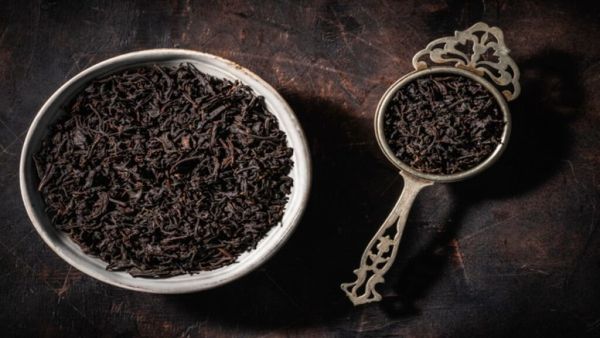
Tezzbuzz Desk – In Indian homes, tea is not just a drink, but a part of the day from the beginning of the day till the end of the evening. In such a situation, the quality of tea leaves and absence of any kind of adulteration in it is very important. Questions are often raised regarding adulteration of tea leaves available in the market. Now the Food Safety and Standards Authority of India (FSSAI) has revealed an easy home method to detect fine particles of iron in tea leaves.
During the processing of tea leaves, very fine particles of iron can reach it from the machinery. Apart from this, such particles can also be present in tea leaves due to adulteration. It is difficult to identify these with normal eyes.
At home for initial detection of these particles magnet test Can be done.
You will need only two things for this test:
First of all, place some dry tea leaves on white paper or a clean plate. Spread the tea leaves thoroughly, so that a thick layer does not form and the particles are easily visible.
Now slowly move a clean magnet just above the surface of the tea leaves. There is no need to press the magnet into the teacup or mix it with it. Keep rotating it slowly over the entire tea leaf.
If fine particles of magnetic metal are present in the tea leaves, they may be attracted to the magnet and stick to it.
If no particles stick to the magnet when you move it over the tea leaves, then this home test does not indicate the presence of magnetic particles.
At the same time, if fine particles stick to the magnet, then there may be a possibility of magnetic particles like iron in the tea leaves.
Although, Tea leaves cannot be declared completely pure or adulterated on the basis of home magnet test alone. This is just a simple way of initial testing.
While buying tea leaves, always check the seal, label, packing and food safety information of the packet. It is better to avoid buying tea leaves that have been open for a very long time or are unlabeled.
If any suspicious particles are seen in the home test, then instead of using that tea leaf, it would be more appropriate to get it tested by the concerned food safety authority or a certified lab.