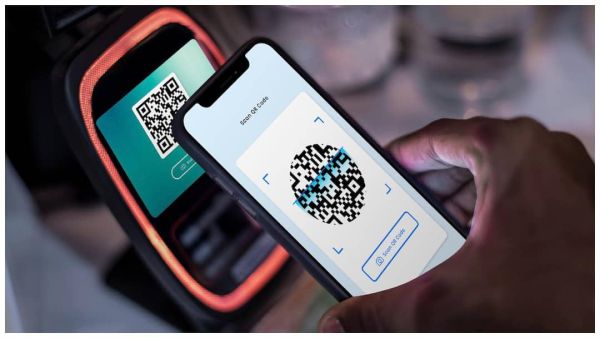
India is set to reintroduce a merchant discount rate (MDR) on high-value UPI transactions within the next two weeks, reported The Financial Express citing sources in the know. The charge, expected to be fixed at 0.3%, would apply to transactions of Rs 2,000 and above.
Consumers, however, will continue to use UPI free of cost, with the levy falling solely on merchants accepting digital payments.
The report noted that the Department of Financial Services is likely to issue a gazette notification within a week, setting out which electronic payment modes will retain statutory protection from charges. Once that notification is in place, the UPI and Services Steering Committee, chaired by the National Payments Corporation of India (NPCI), will be tasked with deciding the MDR's exact scope, structure and rollout.
MDR is the fee merchants pay to banks and payment processors each time they accept a digital payment, and it has long been a point of friction between the industry, which wants it restored to fund infrastructure, and the government, which has resisted anything that might discourage digital adoption.
The government reiterated during a Parliament debate on the Taxation and Other Laws (Amendment) Bill, 2026, that UPI would remain free for ordinary users. The Bill amended Section 10A of the Payment and Settlement Systems Act, 2007, opening the door for an MDR to be levied on UPI transactions beyond a specified threshold.
An MDR of up to 0.3 per cent was in fact charged on UPI person-to-merchant transactions until December 2019, before being scrapped entirely in January 2020 as part of a push to wean the country off cash. To soften the blow for banks and other players in the payments chain, the government introduced a separate incentive scheme, offering support equivalent to 0.15 per cent MDR on UPI transactions up to Rs 2,000.
Since then, UPI usage has surged, particularly through the pandemic years, prompting banks and payment intermediaries to pour money into infrastructure, investment the industry argues cannot be sustained without some form of fee income.
Even if reinstated at 0.3 per cent, the charge would remain well below what merchants currently pay on other digital payment methods: credit card MDR ranges from 1-3 per cent, while debit cards attract charges of up to 0.9 per cent.
UPI's scale underlines what is at stake. It is now the world's largest real-time payments system by volume, commanding close to a 50 per cent global share, and made up 85 per cent of all digital payment transactions in India during 2025-26. In the last financial year alone, the platform processed 241.62 billion transactions worth Rs 314.23 lakh crore.
The Parliamentary Standing Committee on Finance has separately urged the government to move quickly on a tiered MDR framework, cautioning that further delay could leave payment service providers overly reliant on government subsidies that fall well short of actual costs, weakening investment in the payments ecosystem over time.
The committee pointed to a stark gap between the Rs 2,000 crore set aside for UPI in the 2026-27 budget and the industry's estimated running cost of Rs 20,700 crore, noting that the allocation covers barely a tenth of what is actually spent. That estimate is based on a per-transaction cost of Rs 1.38 and roughly 150 billion person-to-merchant (P2M) transactions recorded in the previous year.
In response, the Department of Financial Services told the committee it was weighing two options to ease pressure on the exchequer: reinstating MDR on select high-value transactions or merchants, and introducing a tiered incentive structure designed to gradually "phase out government support in the next few years."