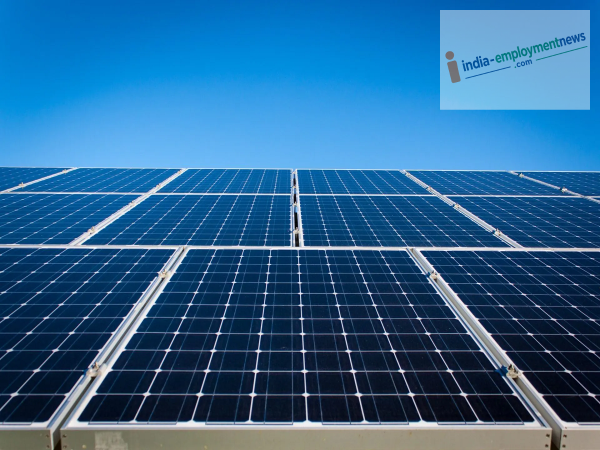
The ULA model under the PM Surya Ghar scheme helps bring rooftop solar power to families facing challenges with initial installation costs. Under this model, electricity companies assist in aggregating demand and facilitating the installation process.
PM Surya Ghar News: If you wish to meet your electricity needs by installing solar panels on your roof but are concerned about the upfront costs, this news is for you. Currently, the ULA model is being utilized to extend the reach of rooftop solar installations to a larger number of families under the Central Government's PM Surya Ghar 'Free Electricity' scheme. This model specifically aims to make rooftop solar facilities accessible to low-income families.
What is the ULA model?
Utility-Led Aggregation (ULA) is a model wherein electricity distribution companies aggregate the demand for rooftop solar systems from various households. They then assist in streamlining the installation process. The primary objective of this model is to enable families—who might otherwise struggle with initial costs or the complexities of the process—to adopt solar energy.
How many families have benefited so far?
To date, rooftop solar systems have been installed in the homes of over 2.2 lakh low-income families through the ULA model. These installations have been carried out across five states. Andhra Pradesh leads the way, with approximately 1.4 lakh installations completed, while Odisha has seen the installation of around 74,000 rooftop solar panels.
Target of 30 lakh rooftop solar installations
The government is actively working on a plan to promote rooftop solar adoption on a large scale using the ULA model. Approvals have been granted for an additional 16.5 lakh installations across 12 states and Union Territories. This initiative is expected to help a greater number of families switch to solar energy. The government has set a target of achieving 3 million rooftop solar installations by March 2027 using the ULA model. Meanwhile, a national target has been established to install rooftop solar systems on approximately 10 million households across the country under the 'PM Surya Ghar: Muft Bijli Yojana'.
Why is it significant for low-income families?
A key feature of the ULA model is its emphasis on making rooftop solar accessible to low-income families. By aggregating demand and providing support during the installation process, the ULA model can help streamline the adoption of solar energy.
Significantly, this initiative aims to extend solar energy beyond households capable of making large investments to a much wider range of homes, thereby facilitating access to clean energy for low-income families as well.