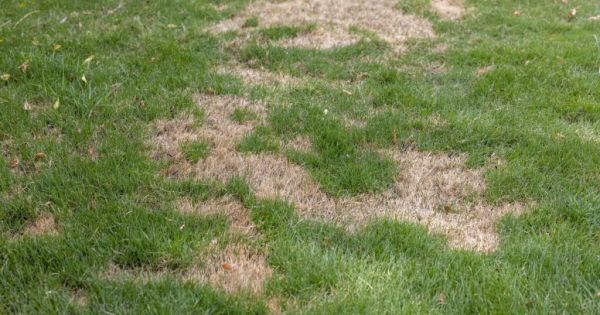
Most gardens are looking brown and dead after the recent heatwaves, with several parts of the UK also facing hosepipe bans. As the UK gets ready for some much-needed rain this Bank Holiday weekend, a gardening expert has revealed exactly what to do — and what to avoid — to help bring parched lawns back to life.
Craig Wilson, co-founder of Gardeners Dream, explained that even the most dire-looking lawns may be salvageable. “A brown, parched lawn does not necessarily mean that the grass has died. Established grass can become dormant during a drought, a state which allows it to conserve energy until conditions become more favourable.”
He added: “Some gardeners may feel tempted to jump in and start watering, mowing or reseeding their parched lawns, however, there are several simple steps gardeners can take to give drought-ravaged grass the best chance of a full recovery.”
The key, he said, is not to panic or try to force the lawn back to life overnight. Once rainfall returns and the soil has enough moisture, many lawns will begin to recover naturally.
Instead, gardeners should avoid putting extra stress on the grass while it is vulnerable. There are three common mistakes to avoid.
Established lawns are surprisingly resilient, but flooding them with water will not make them recover faster. Wilson recommends focusing on getting moisture into the soil rather than simply wetting the surface.
“I highly recommend watering early in the morning as it helps reduce evaporation,” he said, while noting that gardeners should also always follow any hosepipe bans or water restrictions.
“Resist the urge to give your parched lawn a short cut just because the grass has started to look untidy. This can put more pressure on the grass at a time when it’s already struggling.”
As the lawn starts growing again, gardeners should raise the mower height and avoid removing more than about a third of the grass blade in a single cut. Keeping the grass slightly longer helps protect the soil while giving the plant more area to recover.
There is also little point rushing to fertilise or reseed brown patches while the grass is still struggling. Wilson recommends waiting until there are signs of new growth and the soil has regained enough moisture.
“One of the biggest mistakes homeowners can make is trying to fix a drought-stressed lawn before it has had time to recover. Avoid rushing to fertilise or reseed brown patches while the grass is still struggling.”
If bare patches remain, autumn is a better time to reseed, when cooler and wetter conditions can help new grass establish.