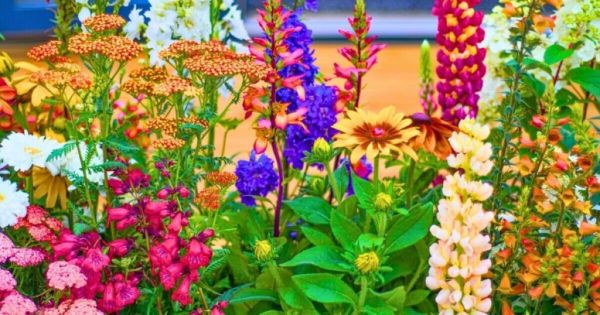
September can be an odd month for gardeners, as even if you love the bright orange, reds and yellows starting to show in trees, it is when most gardens slowly start to wind down. The end of summer is when many beloved British flowers will be finishing their flowering season which means you will start to see a lot more faded plants in the next few weeks.
It can be disheartening to spend so much time working in a garden only for it to quickly fade in autumn, but there is actually a simple way to keep a garden blooming at this time of year. Lee Burkhill, a gardening television presenter who goes by the Garden Ninja online, has shared he keeps his garden “looking amazing” for longer by planting a few hardy flowers that will add a lot of colour to a garden even as the weather gets colder. He said: “As the summer fades and the days get shorter, your garden doesn’t have to lose its vibrancy or beauty. By using plant species that flower in late summer and autumn, you can extend the gardening season through what we designers call ‘succession planting’ into September, October, and even November.”
Chrysanthemums are often nicknamed ‘Mums’ in the UK and are known for their full-rounded and bushy flowers that will really stand out in a garden.
These flowers tend to be a popular autumn plant as they will thrive in cold temperatures and are even known to survive in frosty weather, so you can enjoy them for a long time.
They tend to be quite resilient plants, making them a good choice for beginner gardeners or anyone who wants a beautiful garden with minimal maintenance.
(Image: Getty)
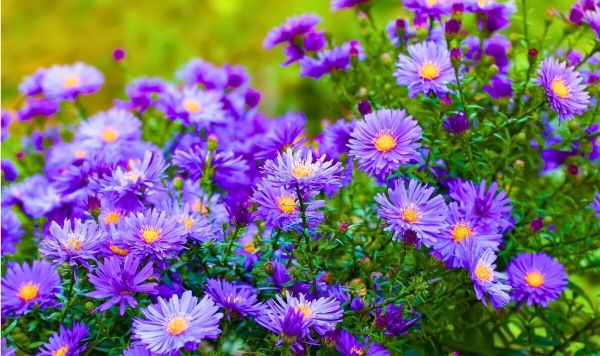
Asters are the birth flower for September, which makes them very appropriate to grow now and are known to bloom in a range of colours, so you can have a really colourful garden this autumn.
What is fantastic about asters are known to be loved by bees and butterflies, so they will provide pollen for these critters at a crucial time when most flowers are starting to wilt away.
They tend to grow in shady woodlands, so will do best planted near walls, fences or any area of your garden that tends not to get a lot of sunlight.
(Image: Getty)
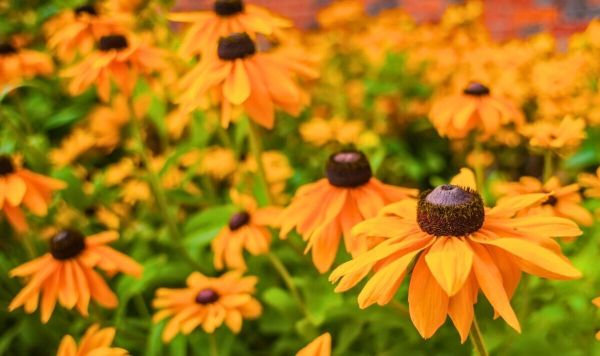
Rudbeckias are better known as ‘Black-eyed Susans’ in the UK and are famous for being a very cheerful flower, with bright yellow petals and a dark brown central cone.
They bring a bright and sunny feel to the garden with very little maintenance, making them a great choice for beginner gardeners as they are hardy and relatively easy to grow.
They are also great for wildlife, as bees are attracted to their flowers and birds can feed on their seeds in winter, helping you create a more wildlife-friendly garden.
(Image: Getty)
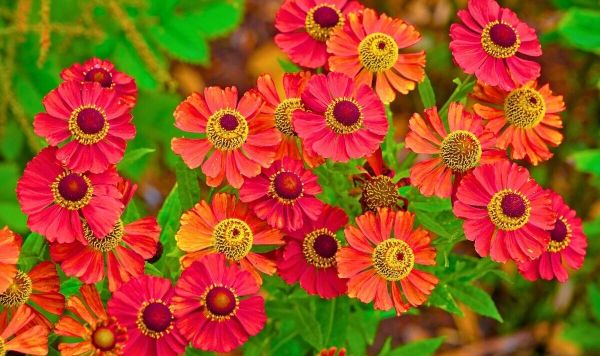
Heleniums often go by ‘sneezeweeds’ in the UK and earned their strange nickname as historically people used to inhale their leaves to induce sneezing, which was believed to make people more clear-headed.
These flowers are known for their dairy-like appearance and tend to be planted in at this time of year as they tend to bloom in traditional autumn colours of red, orange and yellow.
They are fairly easy to grow as they do fine in cool weather but need to be placed in a sunny area of the garden so be careful where you choose to plant them.
(Image: Getty)
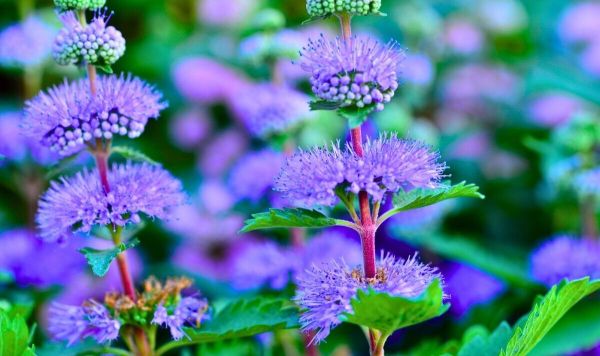
Caryopteris has earned the nickname ‘bluebeard’ for its deep blue flowers and silvery-green leaves.
They are a very compact shrub that is a good choice for autumn, as the cool temperatures and rainy days will help produce beautiful blooms in early September.
It will thrive in a sunny area of the garden but it should be noted that they might take some time to establish themselves in their first year but will reward you with lots of blue blooms without much effort if you give them time to settle in a garden.
(Image: Getty)