Chhattisgarh has emerged as the country’s top-performing state in the third phase of the Jal Sanchay Jan Bhagidari campaign, according to figures presented at a Ministry of Jal Shakti summit in New Delhi. The state registered 79,775 water conservation structures under the latest phase, with 77,719 completed. Five districts-Surajpur, Mahasamund, Balod, Balodabazar-Bhatapara and Kabirdham- also featured among the national top 10 for water conservation, highlighting the scale of rainwater harvesting and groundwater recharge efforts across the state.
Chhattisgarh had ranked second nationally in both earlier phases of the campaign.
Under JSJB 1.0, the state created 4,05,561 water structures. In the second phase, 24,07,456 structures were registered, of which 23,07,768 were completed.
The latest figures put the state at the top of the national rankings, with the campaign aimed at retaining rainwater locally, reducing runoff and increasing groundwater recharge through structures adapted to local conditions.
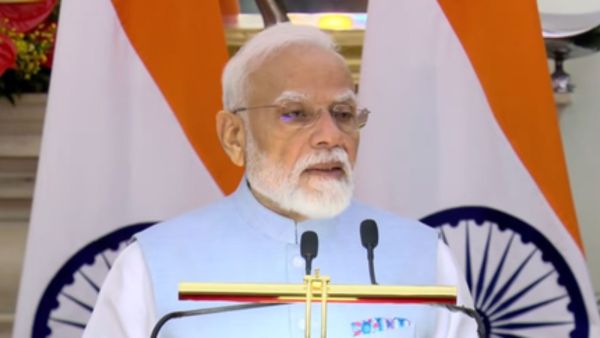
The figures were highlighted during a departmental summit organised by the Ministry of Jal Shakti at Sushma Swaraj Bhawan in New Delhi on Wednesday, attended by Prime Minister Narendra Modi.
During a session on the Centre's ‘Catch the Rain’ campaign, Chhattisgarh Deputy Chief Minister Arun Sao outlined the state's work on rainwater harvesting, groundwater recharge and protection of drinking water sources.
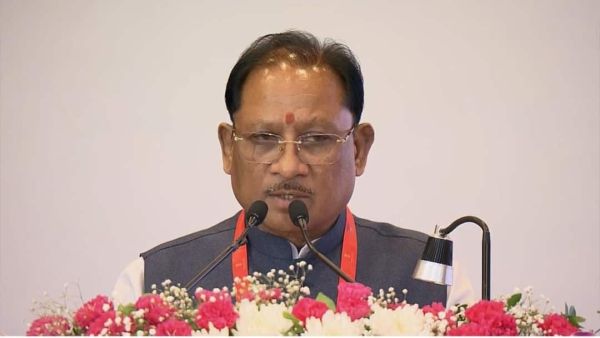
Chief Minister Vishnu Deo Sai said the state's approach had focused on involving farmers, Gram Panchayats and local water volunteers rather than treating conservation solely as an administrative exercise.
One of the initiatives showcased at the summit was the ‘5 Per Cent Model’ in Koriya district, where farmers voluntarily set aside about five per cent of their agricultural land for water harvesting and groundwater recharge.
Structures built on the land are intended to hold rainwater and allow it to gradually percolate into the ground. Farmers provide the land, while Panchayats, government departments and local communities coordinate the work.
The programme also uses geo-tagging, monitoring and periodic reviews, with Jal Sakhis, Jal Mitras, farmers and Panchayat representatives involved at the local level.
Sai, who comes from a farming background, linked the availability of water directly to agricultural production and rural livelihoods, arguing that conservation efforts need to be designed around the needs of farming communities.
The state's performance has also been reflected at district level. Surajpur, Mahasamund, Balod, Balodabazar-Bhatapara and Kabirdham were among the country's top 10 districts under the campaign.
Projects in these areas have combined village-level rainwater harvesting with groundwater recharge and restoration of traditional water sources.
The state government said the number of water-stressed blocks had fallen from 26 to 19. It expects five of the remaining stressed blocks to move into the normal category.
Alongside new structures, Chhattisgarh is focusing on mapping and geo-tagging existing works, restoring traditional water bodies and monitoring groundwater conditions.
The state has also adapted the Centre's ‘Catch the Rain-Jahan Jal Gire, Wahin Sahejein’ approach to different rainfall and geographical conditions.
PM Modi, Belgium PM Agree To Step Up Defence Ties, Military Exchanges And Training
At the summit, Sai proposed that states prepare their own Catch the Rain plans based on local geography, rainfall, groundwater conditions and water requirements.
He also suggested introducing State Water Awards, expanding the use of BISAG-N for mapping water structures and conducting quarterly reviews chaired by chief secretaries.
The Centre has set a national target of creating two crore new water structures by May 31, 2027. Chhattisgarh's latest performance places it among the states expected to contribute significantly to that goal.
The wider objective is to improve groundwater availability for agriculture and drinking water, while reducing dependence on erratic monsoon rainfall.
The summit was attended by Union Jal Shakti Minister CR Patil, water resources ministers from several states and senior officials.
Yogi Adityanath Assures Flood Victims in Farrukhabad, Orders Road Repair Plan