Here are 15 examples from the summer transfer window that underline why the Premier League looks like the much-feared Super League under a different name.
The Premier League sits at the top. It is the competition players most want to feature in and the one broadcasters most want to carry. You will also find some, though not all, supporters of lower-division clubs who also follow Liverpool or Manchester United, while some fans of Scottish football also ‘have a Premier League team’.
With ever-larger sums of money circulating within it, moving from the accounts of one top-flight side to another, the division increasingly resembles football’s own private members’ club.
So why do we continue to act as though the dreaded ‘Super League’ has not already arrived in another shape? Here are 15 pieces of evidence, all from this summer’s transfer window, suggesting that a ‘Super League’ is already here.
Hull City were far from impressive in the Championship last season, but they delivered when it mattered most, dragging - or charging - themselves over the line in the play-off final.
To survive in 2026/27, the route forward was obvious: sign an almost entirely new squad or face the consequences. That is exactly what they have done, bringing in 18 new players, many of them for sizeable fees.
Before this summer, Hull had only twice paid £10 million or more for a player in their history: Ryan Mason and Abel Hernandez. This year alone, they have done it eight times, bankrolled by the income that comes simply from taking part in the richest league in the world.
£3.5 billion. Billions. Yes, much of that will have been financed through private equity, sovereign wealth and borrowing - and not the sort of borrowing available on the high street - but it is still £3.5 billion.
The best features, fun and football quizzes, straight to your inbox every week.
Broken down club by club, that works out to an average spend of £175m, which is, plainly, an absurd amount of money to spend on men kicking a ball around.
In Italy, Serie A clubs spent £940m, while the 18 Bundesliga clubs in Germany paid a combined £673m on new signings. Spain’s LaLiga sides spent £650m and France’s Ligue 1 clubs laid out £523m. That means the Premier League spent £720m more than the other four leagues in Europe’s top five combined.
Enzo Fernandez, Elliot Anderson, Bradley Barcola and Morgan Rogers were the four players whose transfers went beyond £100m this summer.
That is the same number of £100m-plus deals as the Premier League had produced across the previous three seasons combined.
While there were five such transfers in Serie A, four in LaLiga, three in the Saudi Pro League and three in Ligue 1, the Premier League still dominated the rankings of the most expensive deals this summer.
Two-thirds of the 50 biggest-money transfers involved Premier League clubs as the buying side.
Bournemouth signed one of Portuguese football’s most promising young defenders from Benfica when they brought in Antonio Silva. They also managed to do so for what now looks like a relatively modest fee of around £20m.
In years past, the only scenario in which a Benfica player might have joined Bournemouth would have been on Championship Manager. That is not intended as a slight on the Cherries, who are well run, ambitious, deserve their place in the top flight and have endured difficult periods, but the reality now is that representing a mid-table Premier League club with a comparatively tiny fanbase is more financially rewarding than playing for a club with Benfica’s history and stature.
Loum Tchaouna became Coventry City’s record signing on July 11, then Carl Rushworth took that status on August 4. Three days later, Caleb Yirenkyi surpassed them both.
To compete in this division, clubs have to pay the price, stretch themselves financially and, in Coventry’s case, go places they have never gone before.
Alvaro Arbeloa’s managerial CV reads: Real Madrid Castilla, Real Madrid, Fulham. With that in mind, it is hardly surprising that he has moved for a number of Madrid academy graduates to direct in the Premier League.
Even so, the sight of former Galacticos connections turning up at Craven Cottage feels like Championship Manager all over again. For Arbeloa’s sake, let us hope those signings settle quickly, because Fulham did not do a great deal else in the window.
Humberside, the East Yorkshire Riviera, or the UK City of Culture 2017 - whichever label you prefer. Hull City and Acun Ilicali must have put together a convincing sales pitch for their transfer targets this summer.
More cynical observers may suggest the club’s lucrative offers were the real reason those players arrived. Not me, of course. Have you been to The Deep? Magnificent.
It is quite something when a club spends nearly £200m and is still the bookmakers’ second-favourite for relegation.
That would not happen in any other league in the world. Try naming one. You cannot.
James Trafford’s £40m move to Leeds United is, by Premier League standards, actually excellent business. He fills a problem position for the club and secures the regular first-team football he was not getting at Manchester City.
By the standards of this league, too, £40m is no longer an especially striking amount to spend on one player.
Yet the transfer also makes Trafford the fifth-most expensive goalkeeper in football history. Read that again.
Lucca Brughmans - heard of him? Probably not. He is Liverpool’s new goalkeeper, signed from Genk in Belgium.
And Liverpool have immediately loaned him back to Genk for the season. How many clubs outside the Premier League would spend £28m on a goalkeeper and then not use him? Liverpool already have five goalkeepers as well. Even so, you would expect Brughmans to move ahead of Freddie Woodman, Vitezslav Jaros and Harvey Davies when he returns to Anfield.
Three players, three outstanding signings, £236m spent. Manchester City’s midfield now looks loaded after the arrivals of Elliot Anderson, Ayyoub Bouaddi and Enzo Fernandez.
This has been a summer of transition at the club, and the usual logic says that when a side enters that kind of phase, it takes a few transfer windows to smooth out the flaws in the squad. Apparently not when you are operating at the very top of the Premier League food chain.
They also persuaded Matias Fernandez-Pardo to join despite the fact that Lille could have offered him Champions League football this season, while European competition may not return to Tyneside for some time.
Then there is the player with only 12 career starts: former Monaco midfielder Aladji Bamba. He may well be excellent, but the evidence base is limited.
Disclaimer: with the right support, enough starts and sufficient minutes, Liam Delap could score 20 goals a season. The issue is that he did not get that at Chelsea because very few strikers do, given the sheer volume of attacking options there and the club’s impatience.
Even so, breaking your transfer record for a striker with 13 Premier League goals in his career, only one of them coming last season, is a sign of a league with more money than sense, to borrow the old phrase.
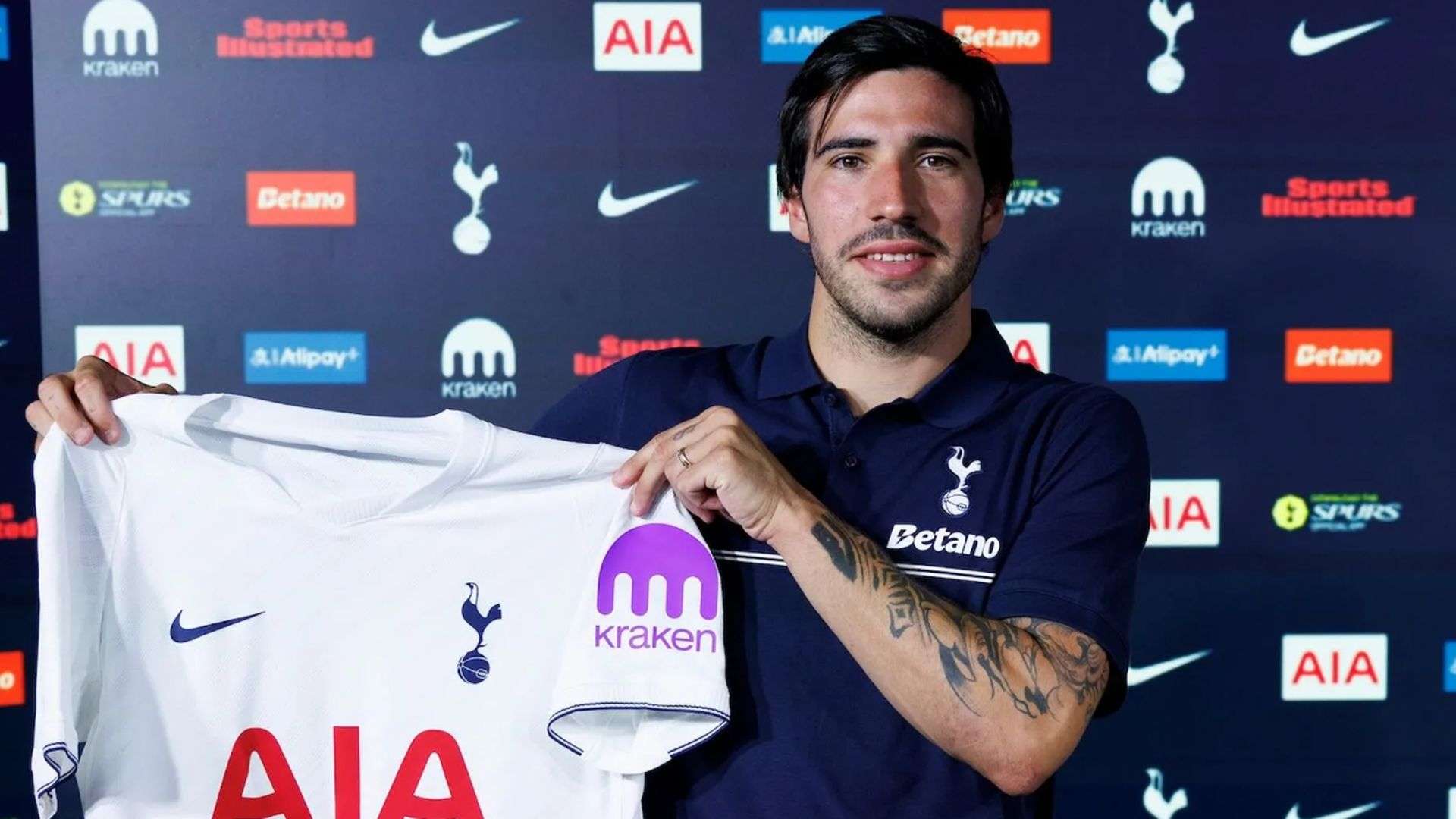
There is no question Mateus Fernandes is a very good footballer, but is he really worth £85m? A number of clubs were interested, but West Ham United had been relegated and their negotiating position had weakened. From the outside, it looked as though Tottenham Hotspur simply met the Hammers’ asking price... at the first attempt.
The ability to commit £85m with the stroke of a pen is a privilege enjoyed almost entirely by Premier League clubs.