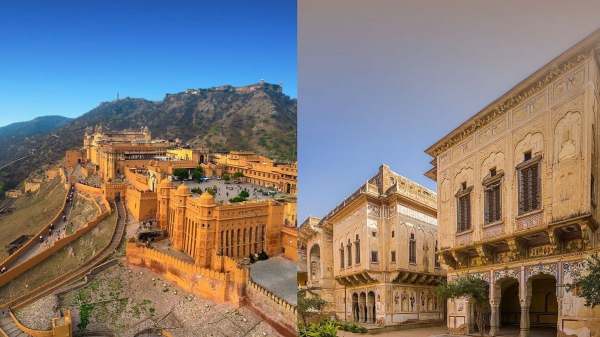
Union Minister for Tourism Gajendra Singh Shekhawat announced that “The Painted Haveli Towns of Shekhawati” has been added to India’s UNESCO World Heritage Tentative List. Sharing the update on X along with photographs of the newly added sites, Shekhawat described it as a “proud moment for India’s heritage conservation journey.”
Rajasthan’s rich architectural heritage has received another international spotlight with “The Painted Haveli Towns of Shekhawati” being added to India’s UNESCO World Heritage Tentative List. The inclusion recognises the distinctive cultural and architectural character of the Shekhawati region, known for its elaborately decorated havelis, colourful frescoes and historic townscapes.
The development was highlighted as part of an update to India’s Tentative List by the UNESCO World Heritage Centre. Along with Shekhawati, three other cultural heritage sites were included — the Colonial Penal Settlement of Andaman Islands, Nicobarese Cultural Continuity in the Central Group of Nicobar Islands, and the Rangpur-Sivasagar Historic Ensemble.
Located in northeastern Rajasthan, Shekhawati is often associated with its magnificent havelis covered in intricate wall paintings. Towns and villages across the region feature historic mansions whose façades, courtyards and interiors showcase detailed frescoes.
These paintings depict a fascinating mix of themes, ranging from Hindu mythology, royal and local traditions to scenes influenced by everyday life and changing times. Some artworks also reflect the arrival of modern technology and foreign influences, creating a distinctive visual record of the region’s history.