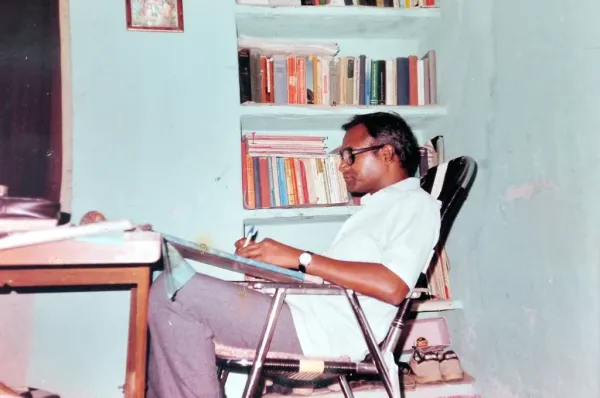
Kancha Ilaiah in his study. The book details the history of his family and the community it built, the role his grandmother and mother played in the family and the larger community, cementing in Ilaiah a lifelong admiration and respect for women.
His early experiences with school are quite delightful, especially since he went on to do his PhD and his post-doctorate and was a popular professor at the university, as he didn’t particularly take to schooling initially, with its rules and discipline. For a boy used to functioning among his beloved cattle and sheep and following the natural rhythm of nature, school proved to be a prison that expected him to go against his natural grain.
Over time, however, education became a major part of his life, especially when he realised its significance for the development of his community.
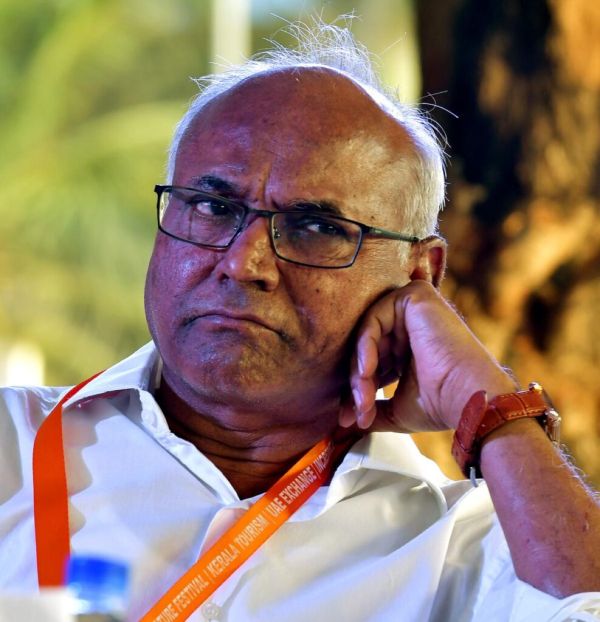
Writer and activist Kancha Ilaiah Shepherd. Also Read
Echoes of 1948: The Sirens of September by Zeenath Khan First encounter with caste The book details his first tryst with caste supremacy, when at the end of a the funeral rituals for his mother, the priest expected his brother and him to touch his feet. Defiant, Ilaiah refused to do so, cementing his lifelong commitment to upholding his dignity and raising his voice against the perceived supremacy of certain groups over others. Another notable observation during the same time, that of the lack of pay parity in the groups who did the various rituals on the basis of caste, influenced him deeply.
These experiences cemented his resolve to study harder, since he increasingly understood the role his education was playing in enabling his sense of justice and fairness.
His tryst with Hyderabad, from his early days as a student pursuing MA in Political Science, to his professorship are detailed with interesting anecdotes, replete with caste and gender experiences, alongside his tryst with communist ideology and its after-effects in a constantly evolving political landscape, both in India and abroad.
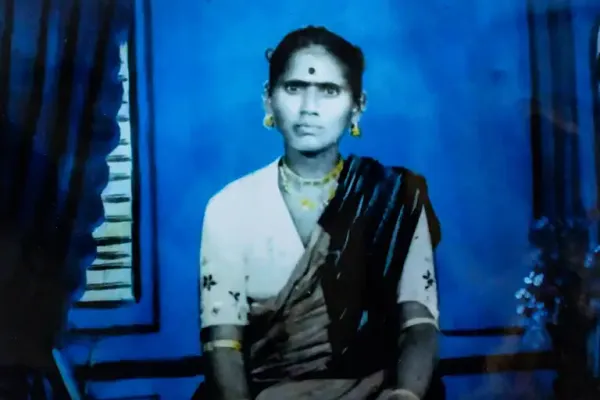
Kancha Ilaiah Shepherd’s mother, Kattamma. Also Read
Hyderabad: Kancha Ilaiah’s support for women’s college new name stirs controversy Research on Buddha expanded scope of political scholarship His doctoral research on the Buddha as an ideologue was unique and became a point of discussion in various groups that Ilaiah was a part of. Some criticised it, some found it intriguing. But what is important to note is that Ilaiah became one of the first humanities scholars to explore beyond standard political thinkers and opened up research possibilities that involved political activists and ideologues across different castes as well as religion.
As a teacher, he detailed, quite simply, the discrimination he faced, from colleagues criticising his research and activism to students refusing to sit in his class because of his caste. Against this backdrop, it is amazing how Ilaiah was able to rise above it all, keep speaking his mind and keep finding renewed purpose.
Involvement with feminism Beyond caste, quite interesting to me, was his involvement with feminism ideology, being labeled “A male sister of the feminist movement in India,” by activist Susie Tharu. Perhaps the role his mother played in ensuring his education, the women scholars who treated him with respect and the women who shared his ideology and purpose, developed in him the kind of warm respect and admiration so rarely seen in men.
While he remains active and in good health and continues to write, his influence goes beyond borders and he continues to remain the voice of courage and reason – in a world where it is becoming increasingly difficult to find one.