While rain provides relief from the heat, this season also brings many problems for the feet. Constant exposure to water and moisture causes the heels to crack and increases the risk of fungal or bacterial infection.
Dirty water that accumulates on the roads during rainy season is home to bacteria and fungus. When we walk in this water, our feet remain constantly wet. Due to moisture, the natural skin barrier of the skin starts weakening. After this, when the feet dry, the skin loses its elasticity, due to which the heels start cracking rapidly.
Due to dirty water and humidity, it is very common to get a fungal infection called ‘athlete’s foot’ between the toes. In this the skin becomes white, scaly and extremely itchy. Due to itching, the skin peels off and blood or pus comes out from there.
1. Persistent itching, redness or burning.
2. White or scaly skin.
3. Accumulation of dirt and moisture around the nails.
4. Prolonged use of wet socks.
5. Swelling or wounds seen in the feet of children and elderly people.
Whenever you return home from outside, do not wash your feet with just plain water. Clean the feet thoroughly using antiseptic liquid or mild soap. After washing, pat your feet dry with a clean and dry towel, especially between the toes. When there is moisture, fungi increase their numbers very rapidly.
During the rainy season, wear footwear that dries quickly and does not accumulate water. Wearing leather or completely closed shoes should be completely avoided in this season. Good quality sandals made of plastic or rubber can be a better option. Wearing wet shoes for a long time increases the chances of getting fungal infections.
To avoid cracked heels, apply moisturizer or foot cream every night. Choose creams that contain urea or lactic acid, as these help remove cracked and hard skin and deeply moisturize. It is more beneficial to moisturize especially after bathing and before sleeping. Never apply moisturizer in between the fingers, use only antifungal powder there.
If you have to wear closed shoes for office or any work, then always wear clean and cotton socks. Synthetic socks do not absorb sweat and the feet remain wet throughout the day. If the socks get even a little wet, change them immediately.
Whether you are inside your home or at a clearly visible place, avoid walking barefoot during monsoon. The moisture and germs present on the floor can easily reach your skin through cracked heels. Keep a separate pair of comfortable slippers to wear indoors.
Avoid going to any random parlor to get pedicure done during rainy days. If the tools are not properly sterilized, the other person’s infection can easily be transferred to your feet. It would be better to do pedicure at home in this season.
Never share your towels, socks, shoes or nail cutters with other household members. Fungal infections are contagious and spread very quickly from person to person. Each member’s towel should be completely separate and dry.
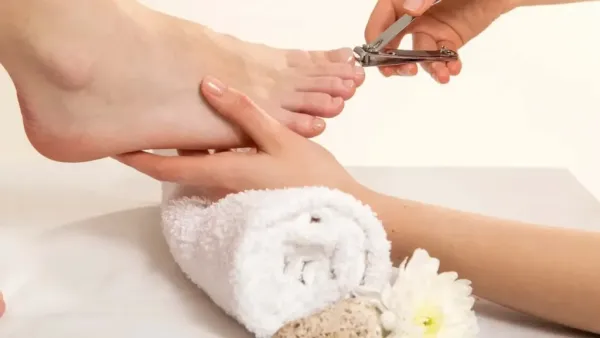
Do not let toenails grow too long during rainy days. Dirt and dirty water easily get trapped inside big nails, which causes internal infections. Always cut nails straight and do not trim the corners too deeply.
Magical Fomentation of Lukewarm Water: Twice a week, before sleeping at night, take lukewarm water in a tub and add a little rock salt to it. Soak your feet in this water for 10 to 15 minutes. This process removes tiredness from the feet and softens the hardened heels. Proper use of pumice stone: After soaking the feet in water, when the dead skin of the heels becomes soft, then clean it by rubbing it gently with the help of pumice stone or foot scrubber. Be careful not to rub with too much force, otherwise the skin may peel and the risk of infection may increase.
The old and tried recipe of coconut oil and beeswax is very effective in healing cracked heels quickly. Heat some coconut oil and melt candle wax in it and mix it. Apply this mixture on the heels of clean feet at night and sleep wearing cotton socks. You will start seeing a clear difference within three days.
Neem and turmeric antiseptic paste

If your feet are itching or you see initial signs of infection, grind fresh neem leaves and add a little turmeric to it. Apply this paste on the affected area for 20 minutes and then wash. The natural antifungal and antibacterial properties of Neem and turmeric eliminate the infection from the roots.
1. Keep feet clean and dry daily.
2. Change wet socks immediately.
3. Apply foot cream at night.
4. Do not walk in rain water for too long.
5. Cut nails regularly.
6.Do not use other people’s footwear.
7. When does it become necessary to consult a doctor?
8. If the cracks in your heels have become so deep that they are bleeding, there is severe pain while walking, or there is swelling and persistent redness in the feet, consult a dermatologist without any delay. Avoid using any steroid creams on your own, as this may make the infection worse.
By taking a little extra care of your feet and adopting the right habits, you can enjoy this beautiful monsoon to the fullest without any pain or infection. Remember, only healthy feet take you forward on your journey of health.

To fight infection, only external care is not enough, but internal immunity should also be strong. Include things rich in vitamin C, zinc and omega-3 fatty acids in your diet. Keep drinking adequate amount of water so that the skin remains hydrated from within and does not develop cracks.
Why do heels crack so quickly during the rainy season?
Due to repeated exposure to dirty rain water and moisture, the skin’s natural oil layer (skin barrier) breaks down, due to which when it dries, the skin loses its elasticity and deep cracks start forming.
What to do if there is itching and white crust between the toes?
This is a sign of athlete’s foot; Wash feet with Dettol or mild soap, dry them completely and apply antifungal dusting powder or neem-turmeric paste containing clotrimazole between the toes.
How does the coconut oil and wax recipe work for cracked heels?
The fatty acids in coconut oil deeply nourish the skin and the melted beeswax forms a protective seal over the cracks, locking in moisture overnight to heal the heels.
Should urea or lactic acid cream be applied on cracked heels?
Of course, foot creams containing urea and lactic acid remove dead and hardened skin and deliver moisture to the deeper layers, thereby softening the heels quickly.
Why can it be risky to go to a salon to get a pedicure during monsoon?
If parlor foot tubs and scrubbers are not properly sterilized, fungal or bacterial infections from other customers can be quickly transferred to your feet.