Ozempic for pets: Will weight loss drugs turn pet cats and dogs miserable?
ETimes December 03, 2025 05:39 PM
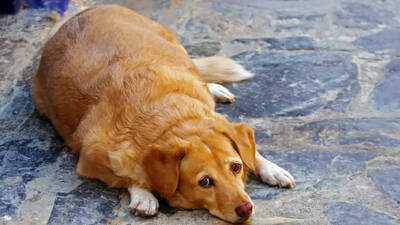 If you’re one of those who spend hours scrolling on Instagram, consuming funny and adorable animal content on chonky dogs, and fat cats — it’s high time you start worrying about those reels disappearing from your feed. And if you’re someone with a fat pet, you need to pay attention — there’s a growing wellness trend in town, to cut down pounds in order to make your pet slim and trim.
Enter: Ozempic for pets , Ozempets .
Ozempets, the idea of giving pets a version of Ozempic (or similar GLP-1 weight-loss drugs), is gaining traction day by day. But what exactly is this trend?
What are Ozempets?
Ozempic is a human medication whose active ingredient (semaglutide) mimics a hormone called GLP-1. In people, this hormone helps regulate blood sugar, slows digestion, and reduces appetite — often leading to significant weight loss.
In fact, according to a Guardian report, in the United States, a pilot study is testing GLP-1 drugs — a category that includes Wegovy, Mounjaro, and Ozempic — on cats.
Given how widespread obesity has become among pets — with some estimating up to 65% of dogs in the UK are overweight or obese — the idea of using a drug to curb appetite and make pets slimmer has fueled interest among pet parents and biotech firms.
In fact, a startup has reportedly begun early trials of a modified GLP-1 treatment for cats, under a project nicknamed “MEOW-1,” standing for “ManagEment of Over Weight cats.”
According to a Guardian article, there are an estimated 54,500 diabetic cats in the UK, many of them already enduring a treatment consisting of twice-daily injections of insulin. The MEOW-1 pilot is for an injectable implant lasting six months.
On the canine front, a version sometimes referred to as “Ozempup” — delivered via a small implant under the skin — is being researched for possible release within a few years.
Why experts are issuing a warning
Behind all the hype of Ozempic for pets lurk real risks. As of now, neither Ozempic nor any GLP-1 drug is formally approved for routine use in cats or dogs. Pets metabolize drugs differently from humans. What is “safe dose” for a person may be harmful to a pet’s liver, kidneys, or digestive system. There have been reported cases where pets given human weight-loss drugs experienced severe side effects: vomiting, diarrhea, dangerously low blood sugar (hypoglycemia), lethargy, and sometimes needing emergency veterinary care.
Meanwhile, GLP-1 drugs slow digestion and suppress hunger. For humans, that might mean less snacking — but for animals who can’t choose when or what they eat, that could translate into chronic hunger, discomfort, or even malnutrition.
Some previous attempts to create appetite-suppressing drugs for pets have been abandoned because of welfare concerns. But what’s more pressing is that, even when human medications are used for animals, they can only be under strict veterinary supervision, and typically, when no pet-specific alternative exists.
What experts suggest
While Ozempets (or Ozempups) have yet to become a widespread trend, experts urge pet parents to resist the temptation to treat obesity in pets with human weight-loss drugs — at least for now. Use of such drugs outside properly controlled trials is undeniably risky for the pets. Instead, they suggest sticking to traditional methods that remain the safest — think carefully managed diet, portion control, regular physical activity, and consistent veterinary check-ups. According to a on pet wellness, such veterinary-guided weight management plans, although challenging, remain the gold standard.
If a pet is seriously overweight, parents should consult a vet, and together they can explore safe weight-loss diets or structured lifestyle plans. Drug-based shortcuts, no matter how tempting they are, are still unproven and potentially harmful.
What this means for pet parents
The rise of Ozempets (or Ozempups) reflects our human desire to mould pets into healthier, aesthetic ideals — but pets aren’t mini humans, or experimental models. Their bodies, metabolisms, needs, and even their idea of happiness are different.
For now, giving them human weight-loss drugs is not only a wrong choice — it is a harmful one. Until robust studies prove safety and long-term well-being, the safest route remains good food, regular walks, and responsible care. In the end, a healthy pet isn’t one that’s skinny — it’s one that’s active, joyful, and safe.