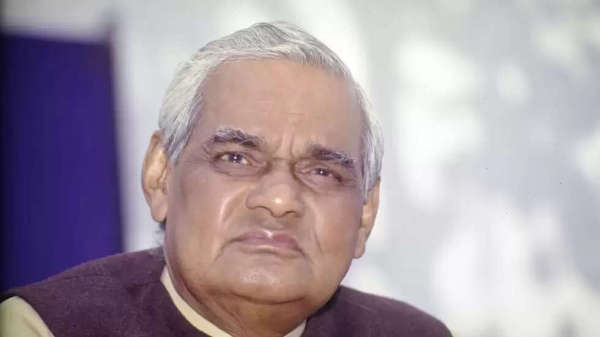
Former Prime Minister Atal Bihari Vajpayee was not only one of India’s most respected statesmen but also a visionary leader, poet, and thinker whose ideas continue to influence public policy even years after his tenure. To carry forward his inclusive vision of development, both the central and state governments have launched several welfare schemes and institutions in his name. These initiatives focus on social security, urban development, innovation, water conservation, healthcare, and education, and they continue to positively impact the lives of crores of citizens across the country.
On the occasion of Atal Bihari Vajpayee Jayanti 2025, it is worth revisiting some of the most important government schemes named after him that are still playing a key role in improving the quality of life for the common people.
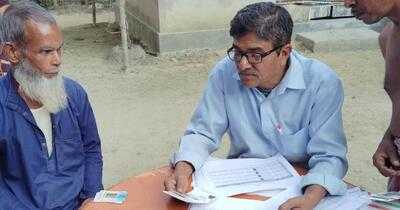
One of the most widely known initiatives is the Atal Pension Yojana (APY). This scheme was introduced to provide social security to workers in the unorganised sector who do not have access to formal pension benefits. Under APY, subscribers receive a guaranteed monthly pension after the age of 60, depending on their contribution. The scheme has helped millions of low-income workers secure financial stability in their old age.
Another flagship programme is the Atal Mission for Rejuvenation and Urban Transformation (AMRUT). This scheme focuses on improving the quality of life in urban areas by strengthening basic infrastructure such as drinking water supply, sewerage systems, green spaces, and public transport. AMRUT has played a crucial role in making cities more liveable and sustainable.
The Atal Innovation Mission (AIM) reflects Vajpayee’s forward-looking approach toward technology and innovation. AIM aims to promote a culture of innovation and entrepreneurship across India, especially among students and startups. Through initiatives like Atal Tinkering Labs and incubation centres, the mission encourages young minds to think creatively and develop solutions for real-world problems.
Water conservation is another area where his legacy continues through the Atal Bhujal Yojana. This scheme focuses on sustainable groundwater management in water-stressed regions. By involving local communities and promoting responsible water usage, the scheme addresses one of India’s most pressing environmental challenges.
The Atal Beemit Vyakti Kalyan Yojana is designed to provide financial support to workers insured under the Employees’ State Insurance Corporation (ESIC) in case of unemployment. This scheme acts as a safety net during difficult times, ensuring that workers and their families are not left without income support.
Several state governments have also launched welfare schemes in his name. The Atal Awas Yojana, implemented in states like Madhya Pradesh and Chhattisgarh, aims to provide affordable housing to economically weaker and vulnerable sections of society. By addressing the basic need for shelter, the scheme has helped improve living conditions for thousands of families.
In some states, the Atal Ayushman Yojana focuses on expanding access to healthcare services. These schemes are designed to reduce the financial burden of medical expenses and ensure timely treatment for underprivileged families.
Beyond welfare schemes, Atal Bihari Vajpayee’s name is also associated with important institutions that promote education, culture, and infrastructure development. The Atal Bihari Vajpayee Hindi University in Bhopal, Madhya Pradesh, was established to promote higher education in the Hindi medium, making quality education more accessible to students from diverse backgrounds.
The Atal Bihari Vajpayee International Airport in Lucknow stands as a tribute to his legacy in his home state of Uttar Pradesh. Additionally, several scientific convention centres, memorials, and public institutions across different states have been named after him to honour his contributions to the nation.
The schemes and institutions named after Atal Bihari Vajpayee reflect his commitment to inclusive growth, social welfare, and long-term national development. From pensions and housing to innovation and water conservation, these initiatives continue to empower citizens and strengthen India’s socio-economic framework. Even today, Atal Ji’s vision lives on through policies that strive to balance development with compassion, making a tangible difference in the everyday lives of ordinary people.