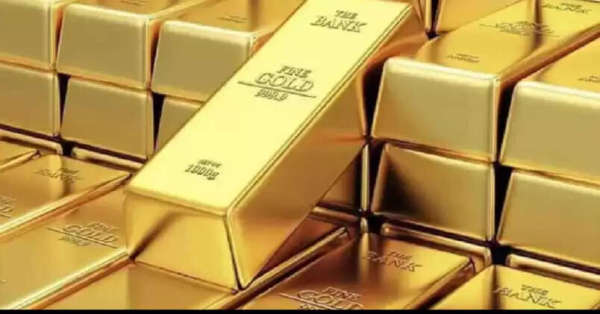
After weeks of a powerful rally that pushed precious and industrial metals to record levels, markets witnessed a sudden shake-up on December 29. Gold, silver, and copper — all three major commodities — experienced heavy selling pressure as investors booked profits at elevated levels. With prices near lifetime highs, analysts say the correction was overdue.
The sudden crash raised a big question:
Is this just a temporary pullback, or is the metals market signaling a deeper trend shift?
Here’s a detailed breakdown of how much prices fell and the four major triggers behind the drop.
Gold futures for February expiry slipped almost 2%, falling to ₹1,37,646 per 10 grams after trading close to an all-time high earlier in the session.
April and June contracts also saw a similar decline after touching fresh peaks during the day.
Silver suffered a much larger hit.
March silver futures dropped 8%, sliding to ₹2,32,663 per kilogram. Other contracts (May and July expiries) erased all intraday gains and plunged 9–10%.
Copper saw the steepest correction among metals.
After rallying to a lifetime high of ₹1,392.95 per kg, the January copper contract crashed 13% to ₹1,211.05 per kg, with the February and March contracts also reversing sharply.
This widespread decline came shortly after a remarkable rally driven by optimism around global trade, supply constraints, and safe-haven demand.
Analysts believe the biggest trigger was profit-taking by investors who earned strong returns throughout 2025.
Pranav Mer, Vice President – Commodity & Currency Research at JM Financial Services, noted:
“After such extraordinary gains in 2025, repeating the same returns in 2026 seems unlikely. So the correction at higher levels is quite natural.”
With metal valuations stretched, traders cashed out ahead of potential policy and demand uncertainties.
Gold and silver typically rise during global tensions due to their safe-haven appeal. But expectations of an end to the Russia-Ukraine war eased the risk environment.
After U.S. President Donald Trump and Ukraine’s President Volodymyr Zelensky met in Florida, reports suggested progress in peace negotiations.
UBS analysts warned that gold is still trading at a high global premium, and a sudden shift in the U.S. Fed’s stance or large ETF outflows could cause further pressure.
Reports indicate China plans to restrict physical silver exports starting 2026, requiring exporters to obtain licenses — a policy expected to continue into 2027.
This sparked concerns over already-tight global inventories.
Even Elon Musk reacted online, noting silver’s importance for industrial manufacturing including electronics and renewable technologies.
According to Motilal Oswal Financial Services, this policy could widen the gap between paper (futures) and physical silver prices due to the constrained supply outlook.
Another major hit came from the U.S.-based CME Group, which increased the initial margin on March 2026 silver derivatives from $20,000 to $25,000.
Investors unable to meet the revised margin faced liquidation of their positions — leading to sharp intraday volatility and forced selling.
The price shock rippled into equities too.
Hindustan Zinc, after opening in green, closed nearly 3% lower at ₹618.15.
Hindustan Copper, which surged up to 8% during early trade, ended the session with 2.58% gains at ₹487.85 — well off the day’s highs.
The correction indicates a phase of consolidation after a historic rally.
Future movement will depend on:
✔ Global geopolitical stability
✔ Trade and supply policies
✔ Interest rate outlook
✔ Regulatory or exchange-related updates
While long-term fundamentals remain supportive for many metals, volatility is expected to stay high in the near term as markets reassess positioning at elevated price levels.