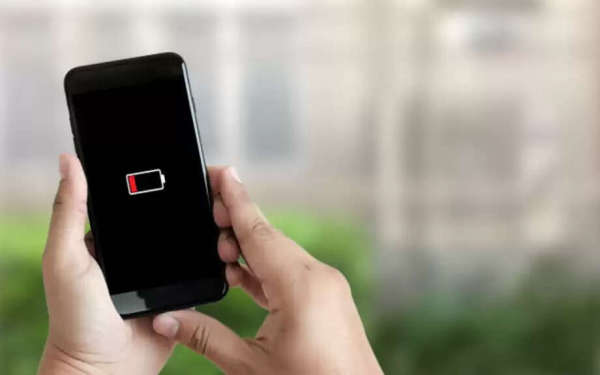
Smartphone Battery Tips: In today's world, smartphones have become the most essential part of our lives, but the part that fails the fastest is the battery. Many people complain that their new phone starts discharging quickly within just a few months. The reason for this isn't manufacturing defects, but rather some everyday mistakes made by the user. If these habits are corrected in time, the phone's battery can perform well for years.
The habit of charging to 100 percent
Most smartphones have lithium-ion batteries, and repeatedly charging them to 100 percent or completely discharging them to 0 percent is not the right way to use them. This puts more stress on the battery, causing its chemical capacity to gradually decrease. According to experts, keeping the battery between 20 and 80 percent is considered the safest. This means you should charge your phone to 80% and plug it in again before it discharges below 20%. Adopting this habit will maintain the battery's health for a longer time.
Leaving the phone on charge overnight
Many people leave their phones on charge all night while they sleep, which is not good for the battery. Although today's smartphones have overcharge protection, prolonged exposure to high voltage reduces battery life. Continuously doing this weakens the battery's ability to hold a charge. It's best to unplug the phone as soon as it's fully charged.
Ignoring phone overheating
Heat is considered the biggest enemy of batteries. Gaming, video editing, or using the phone in direct sunlight increases the device's temperature. When the phone overheats repeatedly, it negatively affects the chemicals inside the battery. This damages the battery quickly and reduces its lifespan. Therefore, it is crucial to keep the phone cool.
Using local or fake chargers and cables
Using cheap or local chargers and cables can also be dangerous for the battery. Such accessories fail to provide proper voltage and current control, putting extra strain on the battery. Prolonged incorrect charging can cause the battery to swell prematurely or reduce its capacity. It is always considered safer to use only the charger provided by the manufacturer or a certified charger.
Disclaimer: This content has been sourced and edited from TV9. While we have made modifications for clarity and presentation, the original content belongs to its respective authors and website. We do not claim ownership of the content.