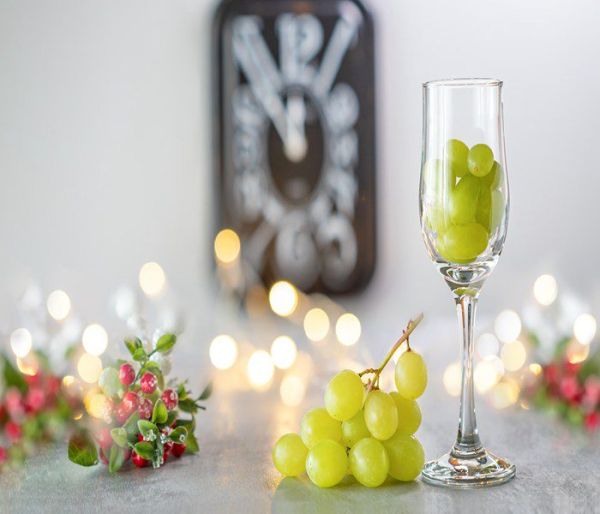
The Twelve Grapes New Year Ritual: As the New Year approaches, people across the world look for meaningful ways to invite happiness, love, and success into their lives. Some choose resolutions, others follow spiritual practices, and many enjoy festive customs passed down through generations. One such fascinating tradition is the ritual of eating twelve grapes on New Year’s Eve. Originating in Spain, this custom has slowly gained global attention for its symbolic promise of romance, abundance, and good fortune in the year ahead. As 2026 draws closer, many are once again asking whether this simple act can truly influence destiny or if it is simply a charming cultural belief.
The tradition of eating twelve grapes at midnight on December 31st is deeply rooted in Spanish culture and is known as Las Doce Uvas. Its history dates back to the late nineteenth century, when grape growers reportedly promoted the practice during a surplus harvest. Over time, it evolved into a symbolic New Year ritual embraced by people of all ages. Each grape represents one month of the upcoming year, and together they are believed to shape the tone of the months ahead.
In recent years, a unique variation of this ritual has emerged, especially popular among younger generations. This version involves eating the twelve grapes while sitting under a table. The act is said to enhance the chances of finding love in the coming year. Symbolically, being under the table represents leaving the past behind and stepping into a fresh chapter. With each grape, participants focus on love, emotional fulfillment, and meaningful connections.
The ritual takes place precisely at midnight, synchronized with the twelve chimes of the clock. With every chime, one grape is eaten, and a silent wish or prayer is made. The timing is considered essential, as the rhythm of the clock is thought to align intentions with the energy of the New Year. Many believe this moment marks the first step toward attracting positive experiences, including personal growth, prosperity, and companionship.
Completing all twelve grapes before the final chime can be challenging, especially for first-timers. According to traditional belief, failing to finish the grapes on time may mean that the wishes for the corresponding months will not be fulfilled. Some interpretations even suggest minor setbacks or delays in plans. However, many people now view this aspect lightheartedly, focusing more on the intention behind the ritual rather than strict outcomes.
To follow the tradition properly, certain guidelines are commonly shared. While variations exist, these general rules are believed to preserve the spirit of the ritual and enhance its symbolic impact.
Green grapes are traditionally preferred due to their mild sweetness and ease of eating. However, red or black grapes are also acceptable. In Spain, a variety known as Aledo grapes is commonly used because of its thin skin and pleasant flavor.
The ritual should be performed under a table, emphasizing the idea of renewal and transition. It is also believed that repeatedly checking or counting the grapes before midnight may weaken the ritual’s effect. Preparing quietly and focusing on the moment is considered ideal.
Precision matters in this tradition. Each grape should be eaten with one chime of the clock, no more and no less. Along with eating, participants are encouraged to make twelve wishes or affirmations, one for each month of the year. These wishes often revolve around love, career growth, health, and inner peace.
While the ritual is rooted in tradition, its modern appeal lies in its simplicity and emotional connection. People may not fully believe in its mystical power, but they enjoy the sense of hope, mindfulness, and celebration it brings. As 2026 approaches, the twelve grapes ritual continues to serve as a reminder that small, meaningful actions can inspire optimism and joy.
Whether viewed as superstition or symbolic practice, eating twelve grapes under the table on New Year’s Eve remains a charming way to welcome the future. It blends culture, intention, and celebration into a single moment, encouraging people to pause, reflect, and dream. As the clock strikes midnight and a new year begins, this tradition offers a simple yet heartfelt way to step into 2026 with hope and positivity.