As someone who once called Delhi home for many years and continues to travel across India frequently, I’m often asked how to describe the country. Capturing the essence of a nation this vast and varied is no easy task, so I turned to local insiders for perspective. “When you visit India, it feels like you’ve visited several countries, because every region is completely different,” says Mohd Shafi Billo, a local tour operator. “India stands out for its culture, history, and inclusiveness—people of diverse faiths coexist here—and the country truly offers everything, from grand forts and mausoleums to wildlife safaris and mountain adventures.”
Exploring all that India has to offer could take a lifetime. To help travelers focus their journeys and spark inspiration, we asked Billo and other experts to share their picks for the 10 best places to visit in India.
# Taj Mahal, Agra, Uttar Pradesh
For many travelers, the 17th-century Taj Mahal tops the list of must-see destinations in India. This gleaming white marble mausoleum is the country’s most iconic landmark and one of the New Seven Wonders of the World. Its allure is heightened by its romantic origins. “This timeless symbol of love is celebrated for its architectural brilliance, delicate marble inlay work, and the poignant story of Emperor Shah Jahan building it in memory of his wife, Mumtaz Mahal,” explains Billo. Both remain entombed here today. For uninterrupted views of the monument, consider staying at The Oberoi Amarvilas.
# Gujarat
Travelers seeking a quieter alternative to India’s more tourist-heavy states should look to Gujarat. “Still underexplored yet culturally abundant, Gujarat is a rich mosaic of festivals, textiles, architectural heritage, communities, and landscapes,” says Shoba Rudra, founder and partner at hospitality consultancy Rare India.
The state is also the birthplace of Mahatma Gandhi, who led the historic Salt March here in 1930. Rudra recommends visiting the National Salt Satyagraha Memorial, which commemorates the movement through murals, sculptures, installations, and films. Another highlight is the Kutch district, famous for its handcrafted metal bells—once used to track livestock and now cherished as decorative wind chimes.
# Udaipur, Rajasthan
Often called the City of Lakes—there are at least seven—Udaipur feels straight out of a fairy tale. The city is renowned for its whitewashed palaces and some of India’s finest luxury hotels. Its crown jewel, the City Palace, is an expansive complex of 11 palaces that includes royal residences, heritage hotels, and a museum showcasing sculptures, textiles, palanquins, and more. A short boat ride away lies the 18th-century Taj Lake Palace, floating serenely on Lake Pichola. Nearby, The Oberoi Udaivilas offers another regal stay, complete with onion-domed cupolas and a moat-like pool that connects directly to select rooms.
# Goa
One of India’s smallest states, Goa is among the country’s most popular beach destinations. Sun-soaked days spent swimming and lounging seamlessly transition into lively nights by the shore. Known as a hippie haven since the 1960s, Goa has evolved while retaining its free-spirited charm. It remains a party hotspot but also attracts families and couples seeking relaxed beach holidays. History lovers will enjoy its seaside forts and UNESCO-listed churches from the Portuguese colonial era. Goa is also a culinary standout, celebrated for bold, spicy dishes that blend Konkani flavors with Portuguese influences.
# Rishikesh, Uttarakhand
Situated along the sacred Ganges River, Rishikesh has long drawn spiritual seekers from India and around the world. Known as the “yoga capital of the world,” the city is home to traditional ashrams for Hindu pilgrims as well as modern yoga centers offering meditation retreats and teacher-training programs. Even non-yogis will find plenty to enjoy, from exploring the ruins of the Maharishi Mahesh Yogi Ashram—popularly called the Beatles Ashram—to whitewater rafting on the Ganges. For a luxurious wellness retreat, Ananda in the Himalayas is nearby.
# Kerala
Located along India’s southern Malabar Coast, Kerala enchants visitors with its serene backwaters, best experienced on overnight houseboat cruises. These journeys “offer views of lush landscapes, quiet villages, and daily life unfolding along tranquil waterways,” says Billo. Beyond the backwaters, Kerala boasts the cool-climate tea gardens of Munnar, rolling endlessly across green hills, and the historic port city of Kochi, known for its layered coastal history and vibrant contemporary art scene. Its beaches are equally appealing, and as Rudra notes, “North Kerala is particularly significant as the Malabar Coast was once the heart of the global spice trade.”
# Kashmir
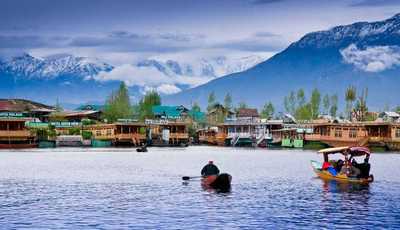
In stark contrast to Kerala, Kashmir captivates with alpine scenery, snow-dusted winters, and evergreen forests—earning it comparisons to Switzerland. The 13th-century Sufi poet Amir Khusrow famously wrote, “If there is a paradise on earth, it is this.” At the center lies Srinagar, the region’s summer capital, celebrated for its Mughal gardens and Dal Lake. “Staying on a houseboat or enjoying a shikara ride is a highlight,” says Billo, a native of the region. No visit is complete without sampling wazwan, an elaborate Kashmiri feast that can include up to 36 richly prepared dishes.
# Ladakh
Set on a high-altitude plateau in India’s far north, Ladakh is defined by dramatic landscapes, vast skies, and ancient monasteries perched amid stark terrain. While many visitors base themselves in Leh during the short summer season, the region offers much more. Billo recommends venturing to the Nubra Valley, once part of the Silk Road and accessible via Khardung La, among the world’s highest motorable passes. “The valley reveals Ladakh’s distinctive geography and cultural diversity, with monasteries, small villages, and apricot orchards,” he says. Ladakh is also home to rare wildlife, including snow leopards and Bactrian camels adapted to the cold desert.
# Auroville, Tamil Nadu
For a truly unique experience, visit Auroville, an experimental township in South India recognized by UNESCO. Founded in the 1960s, the community was created to promote human unity beyond divisions of nationality or belief. Residents from across the globe call it home. While many visitors stop briefly to see the golden, dome-shaped Matrimandir, Auroville’s spiritual center, the community reveals much more over time. As author and Auroville native Akash Kapur advises, “Come here if you’re curious about alternative societies, sustainability, or spirituality—but don’t rush. Spending time with the people and their work is what makes the experience meaningful.”
# Andaman Islands
Though often associated with Thailand, the Andaman Sea is also home to India’s Andaman and Nicobar Islands. This tropical paradise boasts pristine beaches and turquoise waters, with most travelers gravitating toward Swaraj Dweep (Havelock Island). Its star attraction, Radhanagar Beach, stretches for over a mile of powdery white sand framed by lush jungle and clear seas. Reaching the islands requires effort—flights from the mainland to Port Blair followed by a ferry—but the reward is well worth it. While many islands welcome visitors, some, including North Sentinel Island, remain strictly off-limits to protect indigenous communities.