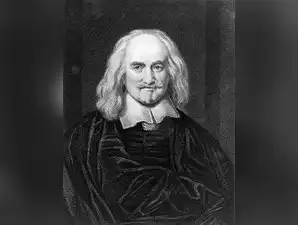
Quote of the Day reflections are usually very challenging and they often urge the reader to accept the darker sides of human nature, authority, and morality. Hobbes, the English philosopher, is one of the very few thinkers who have relentlessly ventured into these areas, his works still playing a considerable role in the political and ethical debates even after centuries. One of Hobbess most stirring remarks pertains to the delicate connection that exists between conscience and judgmentand, thus, challenges the dogma that moral certainty is absolutely trustworthy.
Hobbes’s words in a divided society with definite opinions and moral absolutism are a signal to not be overconfident in one's beliefs.
From this perspective, Hobbes sees moral disagreement among the people as a natural phenomenon since individuals’ judgements of right and wrong are based on their personal interests, fears, and experiences. The big picture he paints here is that his political philosophy can be founded on such an insight, which does give priority to social order over the moral claims of individuals. He conveys in the quote that if people's personal judgments are not controlled, they will end up in conflict, chaos, and even bloodshed.
Moreover, the quote is a stirring challenge to the readers, as it is a highly stimulating quotation of the day, to be able to confess that they have their own limits of certainty and that the very act of placing personal conscience above the stability of the whole society entails a risky situation that needs not be taken lightly.
Hobbes was educated in classical studies at Oxford, but his intellectual curiosity went far beyond the regular philosophy. The circumstances of his young years were unstable; his father, who was a vicar of a parish, left the family after a public scandal, and Hobbes was raised by a relative who was stable but not very close. This early encounter with disorder probably made him develop a lifelong fear of chaos and social disintegration.
For a long time, Hobbes was the tutor, adviser and intellectual collaborator to the powerful Cavendish family. His connection with them allowed him to interact with the rulers, scientists and philosophers of the continent, and such experiences to enlighten his knowledge about both governance and human psychology.
By the use of famous sayings and quotations, which are very often attributed to him, Hobbes made clear that he regarded peace as the highest moral value for mankind. He maintained that humans in their nature are always rivals, that they lack trust in each other and that they act purely from the standpoint of self-interest. Only a very strong authority that can firmly restrain these urges can prevent society from falling into the chaos of violence.
The author is less colourfully expressive than he usually is in the Quote of the Day, yet he clearly adopts this line of the argument. Hobbes was convinced that moral certitude often escalates the conflict, since people will ratify their harmful actions by resorting to their own beliefs.
The work of Hobbes consists basically in the idea of the social contract. He considers that those people, who are otherwise free, willingly give up some of their rights to a sovereign power so that they may be guaranteed security and peace. This power must be very strong and large indeed if it is to stop the society from reverting to anarchy.
According to Hobbes, the sovereign can take the liberty to act in a way contrary to the moral standards that apply to the rest of the society. The right to rule in politics is not based on the possession of moral perfection but on the ability to keep the peace. If the law is put aside because of personal conscience, this becomes a danger to the safety of the group.
The Quote of the Day is a case in point. If conscience is nothing but a judgment, and the judgment is fallible, then no one can assert that he is morally superior to the law without implying the danger of instability.
Hobbes advocated for knowledge that would be systematic and empirical rather than traditional. His trilogy of works, De Corpore, De Homine and De Cive, sought to create a unified field for science, psychology and politics.
This scientific approach also strengthened his distrust of intuition and morality. In Hobbes's view, beliefs that had not been subjected to reason were not only unreliable, but also possibly dangerous.
Today, the Quote of the Day by Thomas Hobbes is still very much present in the debates around governance, misinformation and moral certainty. Through it, readers are reminded that having strong beliefs does not necessarily lead to the truth; moreover, that faith without the others might still be almost as harmful as ignorance.
In a world that is more and more like personal opinions and ideological divisions, Hobbes’s warning has remained dramatically pertinent: conscience, akin to judgment, beckons humility and restraint.
Quote of the day
Thomas Hobbes opined: “A man's conscience and his judgment is the same thing; and as the judgment, so also the conscience, may be erroneous.” The statement, therefore serving as the Quote of the Day, calls upon the reader to introspect how personal convictions are arrived at and to what extent moral conviction can be shaped, or misled, by wrong arguments.Hobbes’s words in a divided society with definite opinions and moral absolutism are a signal to not be overconfident in one's beliefs.
Quote of the day meaning
The Quote of the Day illustrates Hobbes's very doubtful and negative view about human judgment. Hobbes unites conscience with judgment and therefore rejects the idea that conscience can never lead people wrong. Rather, he believes that conscience is just a personal reasoning process and hence is no longer infallible but prone to errors, biases and tempers.From this perspective, Hobbes sees moral disagreement among the people as a natural phenomenon since individuals’ judgements of right and wrong are based on their personal interests, fears, and experiences. The big picture he paints here is that his political philosophy can be founded on such an insight, which does give priority to social order over the moral claims of individuals. He conveys in the quote that if people's personal judgments are not controlled, they will end up in conflict, chaos, and even bloodshed.
Moreover, the quote is a stirring challenge to the readers, as it is a highly stimulating quotation of the day, to be able to confess that they have their own limits of certainty and that the very act of placing personal conscience above the stability of the whole society entails a risky situation that needs not be taken lightly.
Quote of the day by Thomas Hobbes
Thomas Hobbes (April 5, 1588, in Westport, Wiltshire) was a philosopher who lived in the midst of one of the most chaotic times in England's history. His life covered the whole period of the civil war, political transformations and fierce religious conflicts, all of which influenced his very strict opinions about power and human nature.Hobbes was educated in classical studies at Oxford, but his intellectual curiosity went far beyond the regular philosophy. The circumstances of his young years were unstable; his father, who was a vicar of a parish, left the family after a public scandal, and Hobbes was raised by a relative who was stable but not very close. This early encounter with disorder probably made him develop a lifelong fear of chaos and social disintegration.
For a long time, Hobbes was the tutor, adviser and intellectual collaborator to the powerful Cavendish family. His connection with them allowed him to interact with the rulers, scientists and philosophers of the continent, and such experiences to enlighten his knowledge about both governance and human psychology.
Famous work by Thomas Hobbes
Hobbes is mainly known for his work Leviathan (1651), which is one of the major products of political philosophy that have ever been. He vividly illustrated a life that was without a government as a condition of fear, where a man's life would be "solitary, poor, nasty, brutish, and short." The main thrust of his argument throughout his work was the negative side of totally free human activity.By the use of famous sayings and quotations, which are very often attributed to him, Hobbes made clear that he regarded peace as the highest moral value for mankind. He maintained that humans in their nature are always rivals, that they lack trust in each other and that they act purely from the standpoint of self-interest. Only a very strong authority that can firmly restrain these urges can prevent society from falling into the chaos of violence.
The author is less colourfully expressive than he usually is in the Quote of the Day, yet he clearly adopts this line of the argument. Hobbes was convinced that moral certitude often escalates the conflict, since people will ratify their harmful actions by resorting to their own beliefs.
Political theory and Leviathan
The work of Hobbes consists basically in the idea of the social contract. He considers that those people, who are otherwise free, willingly give up some of their rights to a sovereign power so that they may be guaranteed security and peace. This power must be very strong and large indeed if it is to stop the society from reverting to anarchy.According to Hobbes, the sovereign can take the liberty to act in a way contrary to the moral standards that apply to the rest of the society. The right to rule in politics is not based on the possession of moral perfection but on the ability to keep the peace. If the law is put aside because of personal conscience, this becomes a danger to the safety of the group.
The Quote of the Day is a case in point. If conscience is nothing but a judgment, and the judgment is fallible, then no one can assert that he is morally superior to the law without implying the danger of instability.
Science, materialism and intellectual influence
Apart from matters of political philosophy, Thomas Hobbes made considerable breakthroughs in science as well as in philosophy. He was a thoroughgoing materialist who posited that all physical phenomena, including thought and feeling, are nothing but matter in motion. His interaction with ideas of such contemporaries as Galileo, Kepler and Descartes put him right at the center of the Europe’s scientific revolution.Hobbes advocated for knowledge that would be systematic and empirical rather than traditional. His trilogy of works, De Corpore, De Homine and De Cive, sought to create a unified field for science, psychology and politics.
This scientific approach also strengthened his distrust of intuition and morality. In Hobbes's view, beliefs that had not been subjected to reason were not only unreliable, but also possibly dangerous.
Legacy and modern relevance
The influence of Thomas Hobbes has been considerable; the philosopher lived until the year 1679, when he was already 91, but his legacy has been continually challenging that advocates of the opposite view have to come up with new ways of arguing. He has been a great influence on the later philosophers, from John Locke and Jean-Jacques Rousseau. This was the case even when the latter two were outright rejecting some of his authoritarian conclusions.Today, the Quote of the Day by Thomas Hobbes is still very much present in the debates around governance, misinformation and moral certainty. Through it, readers are reminded that having strong beliefs does not necessarily lead to the truth; moreover, that faith without the others might still be almost as harmful as ignorance.
In a world that is more and more like personal opinions and ideological divisions, Hobbes’s warning has remained dramatically pertinent: conscience, akin to judgment, beckons humility and restraint.