Udupi: A decline has been observed in the enrolment of child Aadhaar cards in the district. Of the total 40,233 children below the age of six, only 32,329 have been issued Aadhaar cards, while 7,904 children are yet to be enrolled.
Taluk-wise data shows that in Brahmavar, 1,609 out of 8,404 children do not have Aadhaar cards. In Karkala, 1,023 of the 6,364 children are yet to be enrolled, while Kundapura has 3,248 children without Aadhaar out of a total of 15,091. In Udupi taluk, 2,024 of the 10,374 children below six years of age are without Aadhaar numbers.
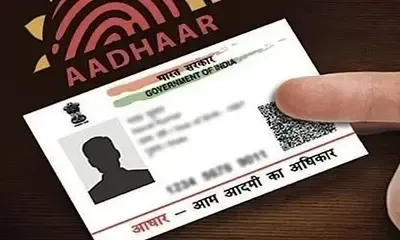
Blue-coloured card
The child Aadhaar card is printed in blue colour. Parents are reminded to update the card once the child completes five years of age. After the age of five and again after 15 years, children are required to submit their biometric details to reactivate the Aadhaar.
Details required
Child Aadhaar is a unique identification document specifically designed for children below five years of age. Unlike adults, children are not required to provide biometric data such as fingerprints or iris scans. Instead, the card contains the child’s photograph, name, date of birth and basic details of one of the parents.
Importance
Child Aadhaar cards are available for children below five years, including newborns. The card serves as proof of identity and is required to avail benefits under various government schemes, access healthcare services, open a bank account in the child’s name, and create other documents including a passport.
Reasons for delay
Officials say many parents delay the process assuming Aadhaar can be obtained at the time of school admission, or because they do not plan to open a bank account or apply for a passport and other documents for the child before the age of six.
Number of children below six years in the district
Brahmavar: 8,404
Karkala: 6,364
Kundapura: 15,091
Udupi: 10,374
Total: 40,233
Aadhaar coordinator for Udupi district Rangaswamy advised parents to enrol children for Aadhaar as early as six months after birth. Early enrolment helps avoid additional documentation later and makes future record-related processes easier, he said.