Related
- Brighten up your day with this book by Aristotle: Nicomachean Ethics - How Aristotle defined happiness through virtue and balance
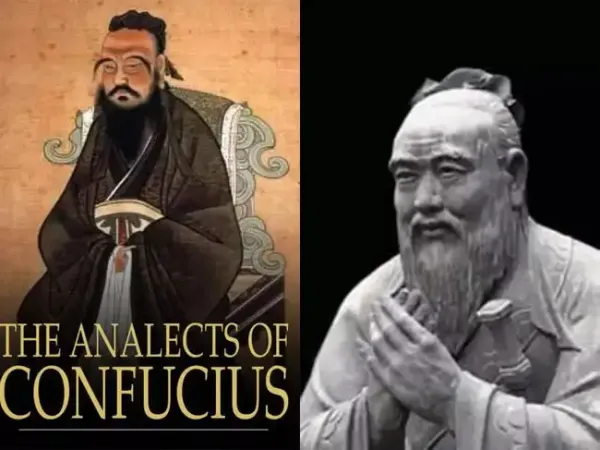
Confucius, born Kong Qiu, was a famous Chinese philosopher who lived from 551 to 479 BCE. He is best known for his ideas about good behavior, respect, and leadership. Confucius was China’s most renowned teacher, philosopher, and political thinker, whose ideas have deeply shaped the cultures of China and other East Asian nations. Confucius believed that a peaceful society begins with moral individuals and strong families. He taught that people should be honest, kind, and respectful to others, especially to parents, elders, and teachers. One of his key ideas was ren, which means humaneness or caring for others.
Confucius spent much of his life traveling and giving advice to political leaders but was never able to secure an important official position during his lifetime. Confucius also believed education was very important. He taught students from many backgrounds and said that learning helps people become better and wiser. His teachings focused on self-discipline, responsibility, and doing the right thing even when it is hard. He believed leaders should lead by example, not by force or fear.
The Analects is a collection of sayings and teachings of the Chinese philosopher Confucius, compiled by his students shortly after his death. The book presents a moral philosophy guiding how people should live, emphasizing honesty, respect for parents and elders, kindness, fairness, and love for others. Confucius stressed the importance of learning, self-improvement, and leading by example. He taught that pursuing virtue, wisdom, courage, and self-knowledge should be every individual’s highest goal. While following the Way, or truth, might not bring immediate material rewards, it offers lasting spiritual fulfillment. The Analects is not a long story but a series of short sayings and conversations that guide people on how to behave ethically and build a harmonious society.
Although Confucius did not write any books himself, his students recorded his teachings in a collection called The Analects, which later became the official state philosophy during the Han Dynasty. His ideas later became the foundation of Confucianism, a philosophy that shaped Chinese culture, government, and education for centuries. Confucius taught that harmony, respect, and moral character are more important than wealth or power. Even today, his lessons continue to influence people around the world.
Confucius spent much of his life traveling and giving advice to political leaders but was never able to secure an important official position during his lifetime. Confucius also believed education was very important. He taught students from many backgrounds and said that learning helps people become better and wiser. His teachings focused on self-discipline, responsibility, and doing the right thing even when it is hard. He believed leaders should lead by example, not by force or fear.
SUMMARY OF THE BOOK - THE ANALECTS
The Analects is a collection of sayings and teachings of the Chinese philosopher Confucius, compiled by his students shortly after his death. The book presents a moral philosophy guiding how people should live, emphasizing honesty, respect for parents and elders, kindness, fairness, and love for others. Confucius stressed the importance of learning, self-improvement, and leading by example. He taught that pursuing virtue, wisdom, courage, and self-knowledge should be every individual’s highest goal. While following the Way, or truth, might not bring immediate material rewards, it offers lasting spiritual fulfillment. The Analects is not a long story but a series of short sayings and conversations that guide people on how to behave ethically and build a harmonious society.
Although Confucius did not write any books himself, his students recorded his teachings in a collection called The Analects, which later became the official state philosophy during the Han Dynasty. His ideas later became the foundation of Confucianism, a philosophy that shaped Chinese culture, government, and education for centuries. Confucius taught that harmony, respect, and moral character are more important than wealth or power. Even today, his lessons continue to influence people around the world.