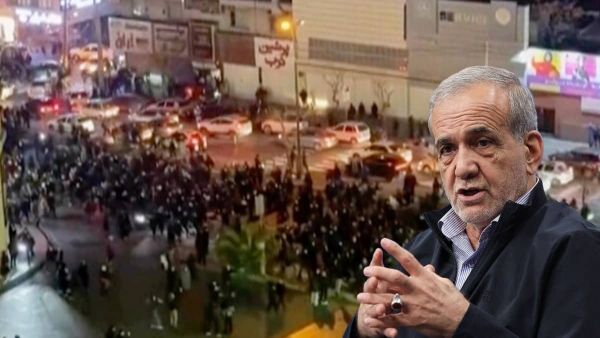
Tehran: Iran’s President Masoud Pezeshkian on Sunday reiterated that the government is willing to engage with citizens voicing their grievances in widespread protests, even as authorities draw a stark line between peaceful demonstrators and what they describe as destructive “rioters”. The comments came as demonstrations over economic hardship enter their second week, with violent clashes and a brutal police response reported across the country.
Iran’s Pezeshkian will 'deal DECISIVELY' with rioters who want to 'create unrest and chaos'
— RT (@RT_com) January 11, 2026
'We are addressing concerns' of those protesting peacefully https://t.co/qzrAcgTS1M pic.twitter.com/GOAkqbXPjC
In an interview aired on Iranian state television, Pezeshkian acknowledged the public’s frustrations and said officials should “sit with them and if it is our duty, we should resolve their concerns.” He emphasised the right to protest, but warned that his “higher duty is not to allow a group of rioters to come and destroy the entire society”.
The president’s remarks reflect a delicate balancing act by a reformist leader facing sustained pressure from demonstrators demanding economic relief and broader change. The protests, initially triggered by deepening economic woes, inflation, and the sharp depreciation of the Iranian rial, have escalated into one of the largest public challenges to the theocratic system in years.
Videos circulating on social media show large crowds in Tehran’s streets defiantly rallying despite a nationwide internet blackout imposed by authorities, which has made independent verification of events difficult.
The death toll in the crackdown on nationwide protests in Iran spiked Sunday to at least 538 people, activists said. Over 10,600 people have been detained, said the US based Human Rights Activists News Agency. Of those killed, 490 are protesters and 48 are members of the security forces, it said, warning the toll is likely to go up.
The government has also cracked down on information flows, with the internet and phone networks cut, leaving many Iranians cut off from outside communication even as footage from affected cities continues to emerge.
Pezeshkian’s appeal for dialogue came amid broader tensions, with hard-liners within the Iranian political establishment condemning violent elements and accusing outside forces of stirring unrest. State media and officials have at times linked the protests to alleged interference by foreign actors, though no concrete evidence has been provided.