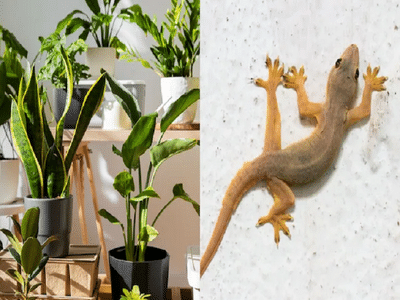
Lizard Repellent Plants: The presence of lizards in the home is very common. They not only affect the cleanliness of the home but also cause fear and disgust in many people. People often resort to chemical sprays, phenyl, or naphthalene balls to drive them away, but these methods are ineffective and can also be harmful to the home's environment. So, if you want to repel lizards from your home without using toxic sprays or chemicals, this news is for you. Today, we're going to tell you about four plants that can help you get rid of the lizard menace. These plants will also greatly enhance your home's beauty.
1. RosemaryRosemary isn't just a culinary herb; it's also a very effective lizard repellent. Its pungent and fragrant scent is a strong dislike for lizards. You can plant it in a pot on your balcony, window railing, or near your door. Besides repelling lizards, this plant is also very helpful in keeping small insects away. It also enhances your home's beauty and keeps the environment fresh.
2. Mint plant
Lizards dislike the strong, fresh scent of mint, making it a powerful deterrent. Fresh mint plants will have a stronger scent. You can place this plant where you see lizards frequently.
3. Eucalyptus
Eucalyptus plants are known for their strong and distinctive scent. Lizards dislike these natural odors, so this plant is very helpful in keeping them away from the home. Its scent also helps repel insects. You can keep eucalyptus plants in pots at home. Also, keep pruning them from time to time to maintain the beauty of your home.
4. Pencil Tree
The pencil tree's shape and its bitter sap deter lizards. This plant is quite hardy and grows easily even with limited water. However, its sap can cause skin irritation, so keep it outdoors rather than indoors.
Disclaimer: This content, including advice, provides general information only. It is in no way a substitute for qualified medical opinion. Always consult a specialist or your doctor for more information. NewsCrab does not claim responsibility for this information.
PC:Freepik