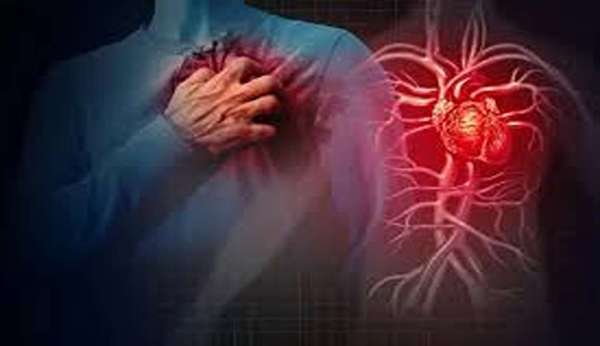
Heart Blockage Symptoms and Prevention: The human heart is an incredible engine that works tirelessly, but sometimes the pipes getting blood to it start to narrow. When cholesterol and fatty deposits build up, they create what medical experts call a (Cardiovascular Health Risk) that can lead to severe complications. Understanding that heart blockage doesn’t happen overnight is the first step in protecting your long-term well-being and ensuring your heart remains strong for years to come.
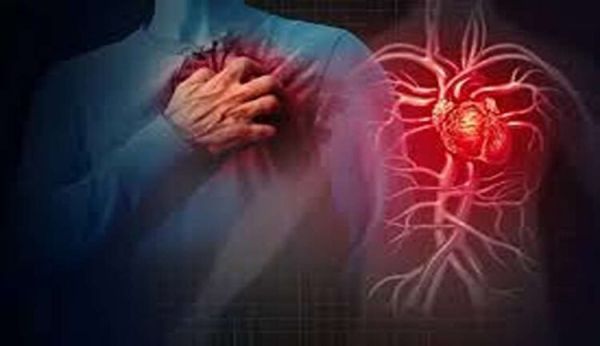
One of the most common yet frequently ignored signs of a struggling heart is a sudden change in your breathing patterns. If you find yourself gasping for air after minimal physical exertion, it could be a (Shortness of Breath Symptom) indicating that your heart isn’t receiving enough oxygen-rich blood. This occurs because the blocked arteries restrict flow, forcing your lungs to work overtime to compensate for the lack of vital circulation.
Angina, or chest pain, is often described by patients not as a sharp sting, but as a heavy pressure or squeezing sensation. This discomfort can radiate to your arms, neck, or jaw, serving as a (Chronic Chest Pain Warning) that should never be dismissed as simple indigestion. When the heart muscle is starved of nutrients due to a blockage, it sends out these painful distress signals to alert you that something is seriously wrong.
Feeling constantly drained even after a full night’s sleep can be a subtle indicator that your internal systems are under immense pressure. When the heart has to pump harder against obstructed pathways, it leads to (Extreme Fatigue and Weakness) that interferes with your daily life and productivity. This persistent tiredness is often the body’s way of conserving energy while dealing with a compromised circulatory system that is struggling to keep up.
If you ever feel lightheaded or experience a sudden bout of vertigo, it might be related to how blood is reaching your brain. Blockages in the main arteries can cause a (Reduced Blood Flow Impact) that leads to temporary dizziness or even fainting episodes. These spells are critical warning signs that the heart’s output is insufficient, often requiring immediate medical evaluation to prevent a total collapse or sudden cardiac event.
Have you ever felt like your heart was fluttering, thumping, or skipping a beat for no apparent reason? These palpitations are often the result of the heart trying to find a rhythm despite (Obstructed Coronary Arteries) interfering with its natural electrical signals. While not all flutters are dangerous, consistent irregularities combined with other symptoms usually point toward significant blockage that needs professional diagnostic testing.
Sometimes the symptoms of a heart blockage mimic a common flu or a stomach upset, leading to dangerous delays in treatment. Experiencing (Sudden Cold Sweats) along with a feeling of nausea can be a manifestation of the body’s “fight or flight” response to a failing heart. If these symptoms appear suddenly and are accompanied by chest discomfort, they are often a precursor to a major cardiac episode that requires urgent intervention.
When the heart is not pumping efficiently due to blockages, blood can back up in the veins, leading to visible changes in your body. You might notice (Swollen Ankles and Feet) as fluid begins to leak into the surrounding tissues because the circulatory system is overwhelmed. This condition, known as edema, is a physical manifestation of heart strain and serves as a visible red flag that your internal plumbing needs a professional check-up.
The good news is that identifying these symptoms early can lead to life-saving lifestyle changes and medical treatments. Prioritizing a (Heart Healthy Lifestyle Plan) involving a balanced diet, regular exercise, and stress management can significantly reduce the plaque buildup in your arteries. By listening to your body’s signals and seeking help at the right time, you can effectively reverse the damage and live a full, vibrant life without the fear of a sudden heart attack