Bihar Governance: In the quiet hours of early morning, when most people are still asleep, Bihar’s political and administrative machinery is already in motion. The state is witnessing a renewed phase of governance, development initiatives, and political churn that reflects both continuity and change. From extensive public outreach programmes to ambitious infrastructure plans and shifting opposition strategies, Bihar is currently at an important crossroads. These developments together present a comprehensive picture of how leadership, administration, and politics are shaping the state’s present and future direction.
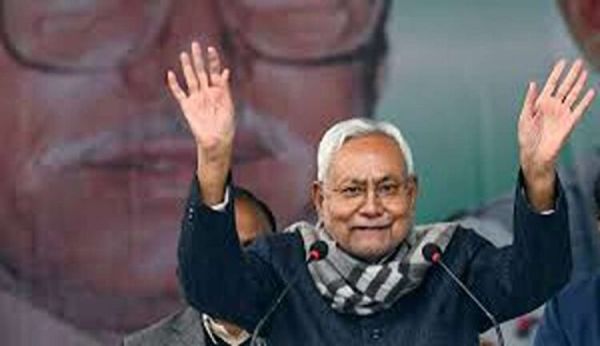
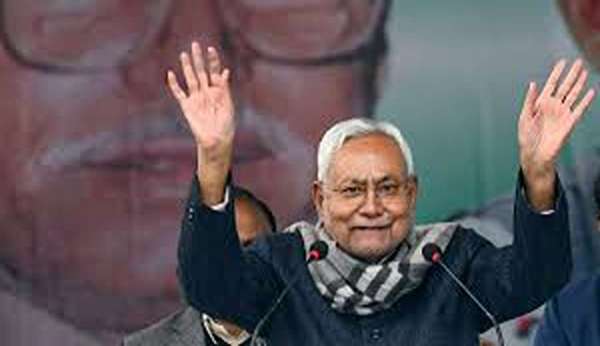
Bihar Chief Minister Nitish Kumar has once again taken to the roads with his fifteenth public outreach journey, known as the Samriddhi Yatra. This initiative holds special importance as it comes after the decisive victory of the National Democratic Alliance in the recent Bihar Assembly elections. The yatra is not merely symbolic; it reflects a governance style focused on direct engagement with citizens, especially those living in rural and semi-urban areas.
During the journey, the Chief Minister has been inaugurating completed projects and laying foundation stones for upcoming schemes. Roads, bridges, public utilities, healthcare facilities, and education-related infrastructure are receiving special attention. While industrial growth remains a long-term objective, the immediate focus on physical infrastructure underlines the administration’s belief that sustainable economic progress begins with basic connectivity and public services. This approach also signals an attempt to reduce regional disparities and improve the quality of life in the state’s hinterland.
Beyond symbolic outreach, the state government’s emphasis on infrastructure development is visible in concrete policy actions. Improved road networks, better irrigation facilities, and upgraded public institutions are being positioned as the backbone of Bihar’s growth model. These measures are designed to attract private investment in the long run while simultaneously addressing everyday challenges faced by ordinary citizens.
The government’s strategy suggests that development is not limited to urban centres alone. By strengthening rural infrastructure, the administration aims to create employment opportunities locally, reduce migration, and foster balanced regional growth. This integrated development vision has become a defining feature of Bihar’s current governance narrative.
One of the notable administrative decisions in recent times is the plan to establish a Bihar Bhawan in Mumbai, India’s commercial capital. Until now, Bihar Bhawan has played a key role in New Delhi by serving as a hub for official meetings, administrative coordination, and accommodation for visiting dignitaries. The proposed Mumbai facility is expected to extend similar support in the western region of the country.
The project will be developed at Elephant Estate in the Mumbai Port Trust area and is planned as a modern, multi-storey structure equipped with contemporary amenities. With substantial financial approval from the state cabinet, the building is expected to facilitate smoother coordination between Bihar and central institutions, business groups, and migrant communities based in Mumbai. This move highlights the state government’s intention to strengthen its administrative presence beyond regional boundaries.
While the ruling alliance appears focused on governance and development, the opposition landscape in Bihar is undergoing a period of uncertainty. Following the electoral setback, the INDIA bloc is struggling to maintain cohesion. Parties that once campaigned together are now reassessing their individual positions and priorities.
This lack of unity has raised questions about the opposition’s ability to function as an effective counterbalance in the legislature. Differences in leadership ambitions, ideological emphasis, and electoral strategies have come to the fore, creating visible cracks within the alliance. Political observers believe that unless these issues are resolved, the bloc may find it difficult to challenge the ruling alliance in a meaningful way.
The forthcoming budget session of the Bihar Assembly is expected to serve as a critical test for the opposition’s collective strength. Legislative debates, policy scrutiny, and budget discussions will reveal whether the opposition can act in coordination or continue to function in a fragmented manner. For the ruling side, this session offers an opportunity to push forward its development agenda with confidence derived from electoral legitimacy.
The broader political implications extend beyond Bihar alone. As state-level dynamics often influence national political equations, the performance of both the government and the opposition in Bihar will be closely watched by stakeholders across the country.
Taken together, Bihar’s current scenario reflects a combination of administrative activism and political realignment. The government’s focus on infrastructure, public outreach, and institutional expansion suggests an attempt to translate electoral success into visible governance outcomes. At the same time, the opposition’s internal challenges underline the evolving nature of coalition politics in India. How these trends unfold in the coming months will play a significant role in shaping Bihar’s developmental and political trajectory.