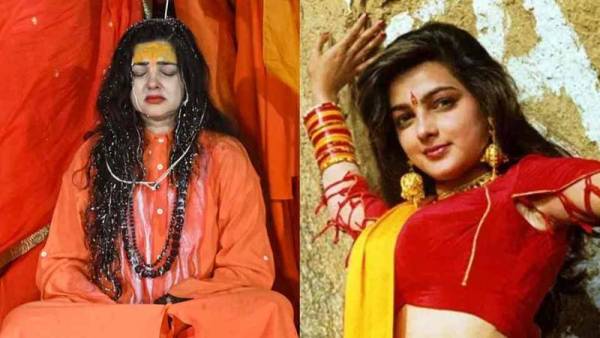
Mamta Kulkarni: Former actor and spiritual seeker Mamta Kulkarni has strongly criticised Swami Avimukteshwaranand Saraswati following a controversial confrontation at the Sangam Ghat during the ongoing Magh Mela in Prayagraj. Her remarks have added fuel to an already intense debate around religious authority, spiritual legitimacy, and administrative control at one of India’s most significant religious congregations.
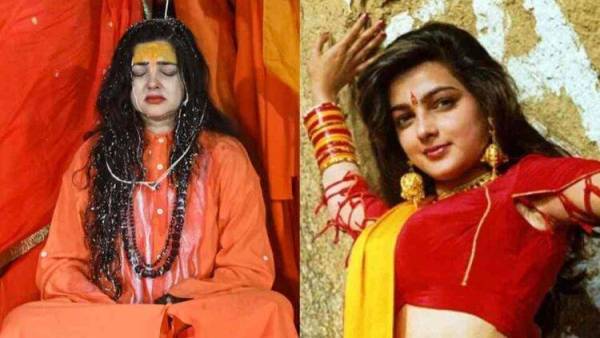
Kulkarni, who has been living a spiritual life for several years, spoke openly about the incident and questioned the moral and spiritual standing of the seer involved. Her comments have sparked widespread discussion among devotees, religious scholars, and the general public.
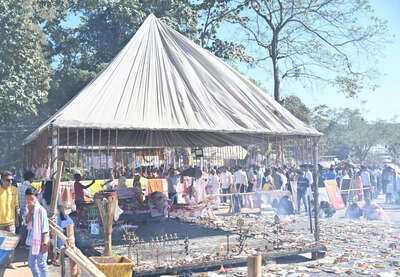
The controversy unfolded during the Mauni Amavasya bathing ritual, considered one of the most auspicious days of the Magh Mela. On this occasion, Swami Avimukteshwaranand, who claims the position of Shankaracharya of the northern Jyotir Math, attempted to proceed to the Sangam in a traditional palanquin procession. The Sangam, where three rivers meet, holds immense spiritual significance and attracts millions of pilgrims during the festival.
The Prayagraj administration intervened and stopped the procession, citing public safety concerns and enforcement of a strict no-vehicle zone. This decision reportedly led to heated exchanges between the Swami’s followers and local police personnel, escalating into a brief scuffle.
Reacting to the incident, Mamta Kulkarni questioned who had granted Swami Avimukteshwaranand the authority to call himself a Shankaracharya. She asserted that the title should not be used lightly and must be backed by deep self-realization, humility, and decisive spiritual wisdom. According to her, merely having scholarly knowledge of ancient scriptures does not automatically qualify someone for such a revered position.
Kulkarni emphasized that the original Shankaracharya, established in the 8th century, had founded the four sacred Peeths after extensive spiritual journeys aimed at spreading dharma across the land. In her view, modern claimants to the title must live up to that legacy, both in conduct and consciousness.
Kulkarni further stated that a true spiritual leader is defined not by ego or public confrontation, but by inner awareness and disciplined action. She alleged that the entire fault in the Sangam Ghat incident lay with the Swami himself and argued that saints should embody restraint and wisdom, especially during massive religious gatherings where public safety is paramount.
She also compared the current situation with the humility traditionally associated with historic Shankaracharyas. According to her, genuine saints inspire devotion through simplicity and quiet authority rather than confrontation or protest.
Following the standoff, Swami Avimukteshwaranand launched a protest by staging a dharna and refusing food and water until authorities issued an apology. This act drew significant media attention and divided public opinion. Some supporters viewed it as a stand for religious rights, while critics saw it as a challenge to lawful governance.
The Magh Mela Authority later served a formal legal notice to the Swami, questioning his right to use the title Shankaracharya. This move further escalated the matter, transforming it from a local administrative issue into a broader national debate on religious titles, legal authority, and tradition.
The incident has reignited conversations about how spiritual authority should function within the framework of modern administration. Large-scale religious events like the Magh Mela require strict crowd control, safety measures, and regulatory compliance. At the same time, they are deeply rooted in centuries-old traditions and rituals.
Mamta Kulkarni’s remarks have resonated with many who believe that spirituality must be grounded in humility and self-discipline rather than power struggles. As discussions continue, the episode highlights the delicate balance between faith, tradition, and governance in contemporary India.