Parents and pensioners have been urged to take extra care amid rising cases of a potentially serious infection. Cases of the highly contagious virus have risen by 18.3% in England over a two-week period.
And this figure is even higher when it looks at a five-season average. This looks at the past five years, excluding the pandemic, and this was 73.8% higher than the same period.
The UK Health Security Agency (UKHSA) has issued fresh advice following the latest figures, which run for the two weeks ending January 25. They say Norovirus, also known as the winter vomiting bug, is continuing to spread, and while older people are most at risk, there has been a surge in cases among nursery-age children.
In its latest bulletin, it warned parents and pensioners to take extra care. And it advised them that using hand gel would be ineffective against the virus, telling them instead to use soapy water.
It said: "Norovirus cases have risen again this week, with data from the UK Health Security Agency showing that cases were 18.3% higher than the previous two-week period. As the virus continues to spread, people are reminded of the steps they can take to reduce further transmission.
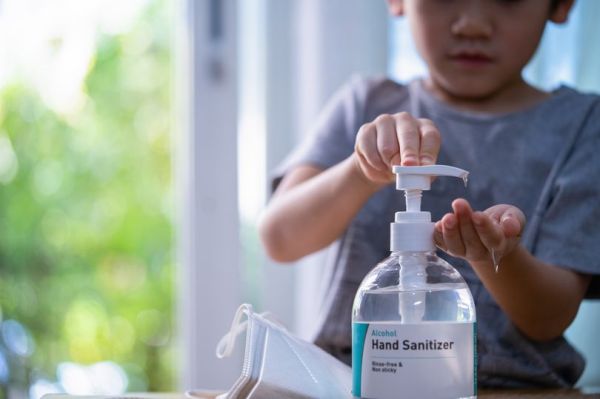
"Washing hands regularly with warm soapy water and using bleach-based products to clean surfaces where possible are the best steps people can take to protect themselves and reduce the spread. Alcohol gels do not kill norovirus.
"While older people continue to account for most cases of the vomiting bug, activity has also increased in children under the age of 5 in recent weeks. With this increase among nursery-age children, parents are advised to lead by example and encourage good hygiene habits.
"It’s also important to know when to keep your child at home and when to send them to school as this can go a long way in preventing further spread. If your child has diarrhoea and vomiting, they should stay home for at least 48 hours after these symptoms clear up.
"Respiratory viruses are also continuing to cause outbreaks in care settings, which is why it’s important for those with either a gastrointestinal or respiratory virus to avoid visiting care homes and hospitals if unwell.
Amy Douglas, Lead Epidemiologist at UKHSA, said: "Norovirus activity has remained high in recent weeks, particularly among those aged 65 years and over and is now increasing among children aged under 5 years as well. Outbreaks in hospital settings have also increased.
"We should all remember the simple steps we can take to stop norovirus spreading, including washing your hands with soap and warm water and using bleach-based products to clean surfaces. Alcohol gels do not kill norovirus so don’t rely on these alone.
"If you have diarrhoea and vomiting, don’t return to work, school or nursery until 48 hours after your symptoms have stopped and don’t prepare food for others in that time either. If you are unwell, avoid visiting people in hospitals and care homes to prevent passing on the infection to those most vulnerable.
"While norovirus is increasing, the latest respiratory surveillance data shows that cases of flu and RSV continue to fall. However, people are encouraged to continue taking necessary precautions as respiratory viruses can be unpredictable.
"Getting vaccinated if eligible, making sure indoor spaces are well-ventilated and staying home where possible if you have symptoms are all things that help reduce the spread. If you need to go out when you have symptoms, consider wearing a face covering, and if possible try to avoid visiting those more vulnerable, such as older people, pregnant women and young babies."
Dr Conall Watson, Consultant Epidemiologist at UKHSA, said: "It’s great to see that cases of flu and RSV have continued to fall for another week. While we are heading in the right direction, it’s really important to remember that the end of the flu season could still be some months away and people should continue taking steps to reduce the spread, particularly when visiting those more vulnerable."
Symptoms of norovirusAlthough it's sometimes called the winter vomiting bug, you can get norovirus at any time of year. According to the NHS the main symptoms of norovirus usually start suddenly and may include:
You may also have:
Norovirus is caused by a virus that spreads through poo. It can spread to others very easily.
You can catch norovirus from:
There are things you can do when you have norovirus to help prevent infecting others.
Do:
wash your hands with soap and water after going to the toilet or changing nappies (alcohol hand gels do not kill norovirus)
wash your hands with soap and water before preparing, serving or eating food
wash clothes and bedding that has poo or vomit on it on a 60°C wash and separately from other laundry
clean toilet seats, flush handles, taps and bathroom door handles
avoid contact with others as much as possible
Don’t
do not go to school, nursery or work until you have not been sick or had diarrhoea for 2 days
do not visit others in hospitals or places like care homes until you have not been sick or had diarrhoea for 2 days
The NHS advises: "If you or your child have norovirus, you can usually treat it at home. You'll usually start to feel better in two to three days. Diarrhoea and vomiting can usually be treated at home. The most important thing is to have lots of fluids to avoid dehydration." It adds:
Do:
stay at home and get plenty of rest
drink lots of fluids, such as water or squash – take small sips if you feel sick
carry on breast or bottle feeding your baby – if they're being sick, try giving small feeds more often than usual
give babies on formula or solid foods small sips of water between feeds
eat when you feel able to – it may help to avoid foods that are fatty or spicy
take paracetamol if you're in discomfort – check the leaflet before giving it to your child
Don't:
do not have fruit juice or fizzy drinks – they can make diarrhoea worse
do not make baby formula weaker – use it at its usual strength
do not give children under 12 medicine to stop diarrhoea
do not give aspirin to children under 16
When to speak to a pharmacist
The NHS says most cases can be dealt with at home. You can get help from a pharmacist. It says you should speak to a pharmacist if you or your child (aged 5 years or over) have norovirus and:
They may recommend oral rehydration powder that you mix with water to make a drink.
When to call 111
The NHS advises people to "call 111 now" if:
111 will tell you what to do. They can arrange a phone call from a nurse or doctor if you need one.
When to dial 999 or go to A&EIt says there are some occasions when it may be more serious and you should call 999 or go the A&E. Do this if you:
It adds: "Do not drive to A&E. Ask someone to drive you or call 999 and ask for an ambulance. Bring any medicines you take with you."