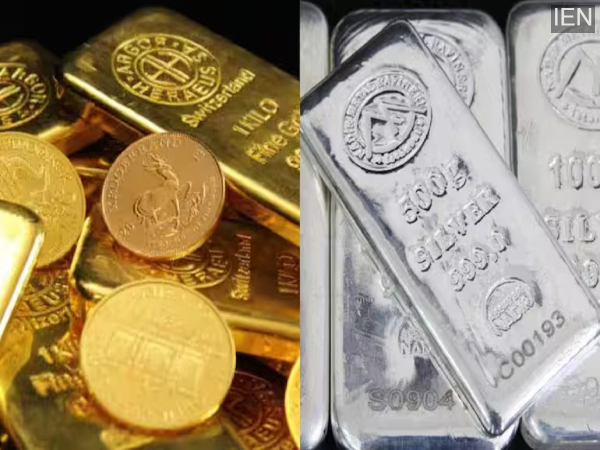
A sharp correction in precious metal prices has triggered a heavy fall in gold and silver exchange traded funds (ETFs), leaving investors confused about whether this is a chance to buy the dip or a signal to stay cautious. After touching lifetime highs just a day earlier, both gold and silver futures saw a sudden and steep decline, which directly impacted ETF prices tracking these metals.
On the commodity exchange, gold futures for the April contract dropped nearly 9 percent from their recent peak and were trading around ₹1,68,000 per 10 grams. Just a day before, the same contract had surged to an all-time high of ₹1,93,096 per 10 grams. Similar pressure was seen across other gold contracts as well. Silver witnessed an even sharper slide, with the March futures contract falling around 15 percent to nearly ₹3,39,910 per kilogram, while later-month contracts also recorded double-digit losses.
This rapid fall in bullion prices resulted in a deep cut in gold and silver ETFs. Several popular gold ETFs declined by about 10–12 percent in a single session. The impact was more severe on silver ETFs, where some funds lost up to 24 percent of their value in a day. Funds from multiple leading asset management companies saw heavy red candles as investors rushed to book profits after the recent rally.
The big question now is whether investors should step in and start accumulating at lower levels. Market experts are not fully divided, but they advise discipline and patience rather than aggressive lump-sum buying. According to commodity analysts, despite the sudden correction, the long-term fundamentals for precious metals remain supportive.
Silver, in particular, continues to enjoy strong industrial demand. Its usage in solar panels, electric vehicles, electronics and emerging AI-driven infrastructure keeps structural demand intact. Gold, on the other hand, retains its traditional role as a hedge against global uncertainty, currency weakness and potential softening in real interest rates over the medium term. Central banks around the world have also been steadily increasing their gold reserves, adding to the supportive outlook.
However, volatility in the short term cannot be ruled out. After a powerful rally, profit booking is natural and can sometimes be sharp and unsettling. Because of this, experts suggest a staggered investment strategy. Instead of putting the entire amount at once, investors can deploy money gradually over the next few weeks or months, buying in small tranches on declines. This approach helps in averaging the purchase cost and reduces the risk of entering at an unfavourable price.
For conservative investors, asset allocation remains the key. Rather than chasing quick gains, it is advisable to keep gold and silver exposure limited to about 5–10 percent of the overall portfolio. This ensures diversification and protection without taking excessive risk.
In summary, the recent crash in gold and silver ETFs reflects a swift correction after an extraordinary surge. While the fall may offer selective buying opportunities for long-term investors, it is not a signal to go all-in immediately. A measured, phased approach aligned with one’s risk profile and asset allocation plan is likely to be the wiser path in the current volatile environment.