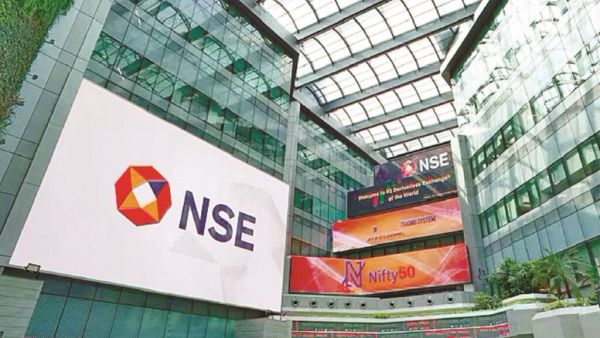
The long-awaited initial public offering of the National Stock Exchange of India has finally crossed a crucial regulatory milestone, ending years of uncertainty around one of India’s most anticipated listings. According to CNBC-TV18the Securities and Exchange Board of India has issued a no-objection certificate (NOC) for the NSE IPO, clearing the final regulatory hurdle that had stalled the process since 2016.
SEBI Chairman Tein Song has indicated that the NOC was granted by the end of the month, effectively bringing regulatory closure to a process that remained frozen for almost ten years. With this approval in place, NSE can now move forward with formal listing procedures, including the filing of its draft red herring prospectus (DRHP), bringing the exchange significantly closer to a public listing.
NSE had originally filed its IPO papers in December 2016, but the proposed listing soon ran into intense regulatory scrutiny. The primary trigger for the delay was the co-location controversy, where allegations surfaced that certain algorithmic traders received preferential access to NSE’s trading systems. These concerns raised serious questions around market fairness, transparency, and equal access for all participants.
Beyond the co-location issue, SEBI also flagged multiple governance lapses within the exchange. Concerns were raised about the trading access point (TAP) architecture, network design, and internal controls, all of which are critical to the integrity of market infrastructure. Over the years, these issues resulted in repeated setbacks, with NSE’s attempts to secure regulatory clearance failing in 2019, 2020, and again as recently as August 2024.
As part of the regulatory clean-up, NSE undertook several corrective measures, including governance reforms and the settlement of key disputes. One of the most significant steps was the payment of penalties amounting to ₹643 crore to the co-location and connectivity violations. These actions played a central role in addressing SEBI’s long-standing concerns.