This winter, The LaLiT Chandigarh invites culinary enthusiasts to take a moment to appreciate the rich gastronomic traditions of Kashmir through its Baluchi-ae-Wazwan festival, hosted at the renowned Indian fine-dining venue, Baluchi.
The Wazwan is not merely a meal; it embodies a cultural ceremony that showcases the warmth of Kashmiri hospitality, meticulousness, and a deep respect for ingredients. At Baluchi-ae-Wazwan, guests can enjoy both classic Wazwan dishes and a carefully crafted à-la-carte Kashmiri menu.
Leading the culinary efforts is Aamir Atlaf, who emphasizes the significance of slow cooking in creating exceptional flavors. He is joined by Chef Amit Chambial, who notes that the essence of Kashmiri cooking lies in patience. “Time is the most crucial ingredient,” he explains. “Home-style cooking, gentle heat, minimal ingredients, and allowing flavors to evolve naturally contribute to the dish's richness.”
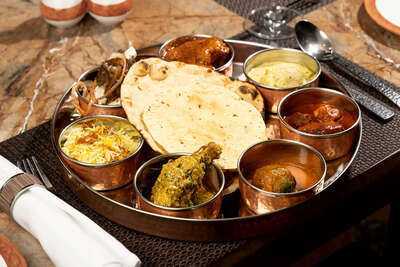
The festival's menu includes delicacies such as Tabak Maaz, Rogan Josh, Rista, Gushtaba, Nadru ka Korma, Daniwal Korma, and Lal Paneer, all served with saffron rice and traditional Kashmiri breads like Girda and Sheermal, complemented by Kahwa for an authentic experience.
Wazwan is celebrated for its meticulous preparation techniques. Different cuts of meat are selected for various dishes, with spices carefully balanced. Chef Chambial elaborates on the distinct styles, noting that while both Kashmiri Pandit and Muslim cuisines utilize meat, their methods differ. Pandit cuisine traditionally avoids onion and garlic, favoring yogurt and spices, whereas Muslim Wazwan incorporates ginger-garlic pastes without overshadowing the meat's flavor.
The festival also showcases key ingredients that characterize Kashmiri cuisine, such as Kashmiri chili, valued for its vibrant hue rather than its spiciness, along with mawal phool and ratanjot, natural colorants that are becoming rare in contemporary kitchens. Vegetarian options are equally celebrated, featuring dishes like Nadru (lotus stem) and haak-style greens, which highlight Kashmir's strong bond with seasonal produce.
Available for both lunch and dinner, Baluchi-ae-Wazwan offers a dining experience that is both festive and intimate. To enhance the atmosphere, weekend dinners will include live ghazals, allowing diners to enjoy enchanting music alongside exquisite food—creating a harmonious blend of culture, cuisine, and conversation.
This culinary festival will continue until February 10, providing guests with a memorable exploration of one of India's most ceremonial cuisines.