Independent pubs will need to sell more than 825million more pints a year to cover Rachel Reeves's hike in business rates, according to new analysis. With the average profit on a pint just 13 pence, independent pubs in England and Wales will each have to sell 43,969 more pints to cover the cost, the Conservatives claim. Pub owners have dismissed the support package which will see pubs and music venues get a 15% discount on their business rates bills from April as "small beer".
There is also alarm that the surge in business rate costs will hit jobs in the restaurant sector. The Conservatives say the average rise over the parliament will be the same as the wages of an 18 to 20-year-old working three days a week. Its analysis claims business rates between 2024-25 and 2028-29 are on course to go up by £13,561 - the equivalent of the earnings of a young worker doing three eight-hour shifts on the minimum wage.
Shadow Chancellor Sir Mel Stride said: "Rachel Reeves' business rates rise is yet another tax on jobs... Labour promised they'd fix business rates. Instead, they are punishing businesses, destroying entry-level jobs, and hollowing out our high streets."
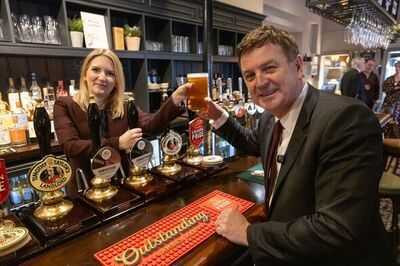
Sir Mel met with people from across the hospitality industry at the Jobber's Rest pub in the London suburb of Upminster and heard of their battles with soaring costs.
He said: We have lost about 90,000 jobs in retail hospitality and leisure under this Government. It hasn't happened by accident - it's happened because of the government's choices."
He attacked the increase in employers' National Insurance and warned Britain cannot afford to lose pubs and restaurants.
"If you see pubs go and restaurants go and shops go and high streets start to dwindle and decay, then you have all sorts of knock-on consequences as a result of that," he said. "Communities become less strong, they become weaker, they become more fragmented. We need to be building up our high streets, not pushing them down."
He argues the hospitality sector and jobs on the high street are vital for tackling youth unemployment.
"We've now got about 900,000 young people who are not in employment, education, or training," he warned.
He urged the Chancellor to "control the welfare bill, get people off benefits and into work, and use that money to get the taxman off the back of pubs".
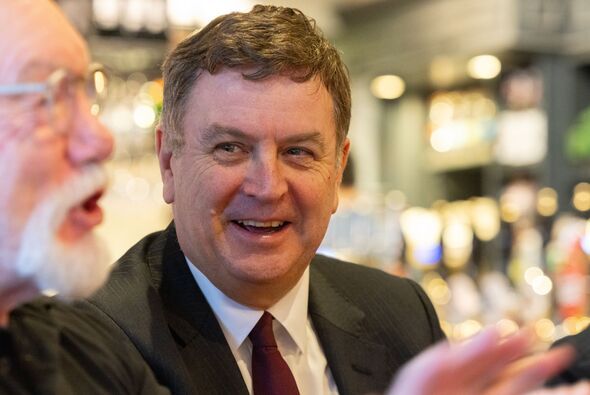
Sir Mel was concerned by the claims of local business people that cost of living pressures meant "things are so tough" that people did not celebrate in pubs over the Christmas period.
He said: "We have got to get energy costs down [and] we can do that by getting rid of some of these carbon taxes and subsidies that people are paying on their bills... You can do that almost overnight if you make that a priority."
He was joined at the pub by local MP and Shadow Science Secretary Julia Lopez.
Arguing the Government's business rates discount is insufficient, she said: "It's not enough to change the fundamental pressures that are facing these businesses... These people put their heart and soul into these businesses."
Describing the contribution of people who run pubs and restaurants, she said: "They're employing people, they're taking risks, they're trying to make some money, they're paying their taxes and they're being crushed."
A Government spokesperson said: "We're backing hospitality and the high street with a £4.3billion Budget package to cap big bill hikes - stopping bills rising for over half of business properties. Our Plan for Small Business will help [small businesses to medium enterprises] access the tools and support they need to unleash their potential, and later this year we'll publish a new High Streets Strategy to do even more to back Britain's high streets."
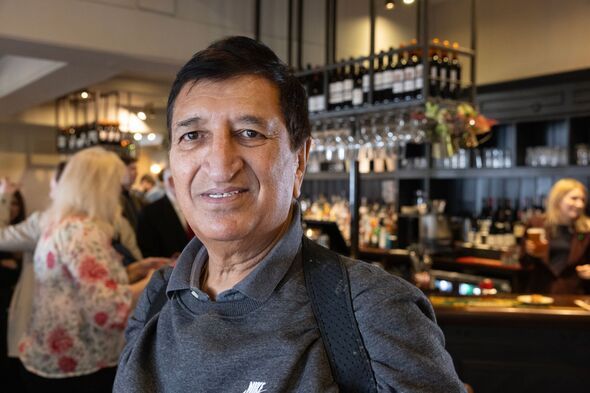
Jack Sandhu, 71, who runs the Chequers pub in the east London town of Hornchurch, sums up how the nation's relationship with the pub has changed in recent years.
"Back in the old days," he says, "the first thing you did when you finish work was go down the pub. Now you can't find a pub."
Landlords face a daunting array of rising costs, from subscriptions to television sports to the price of energy - and tax.
"Business rates are just killing us," he says.
It is a similar story for restaurants.
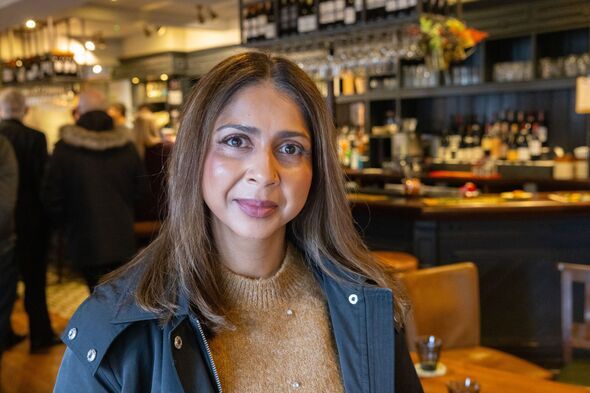
Honey Uppal, 44, who runs the Tandoori Lounge in Hornchurch with her husband, Sukh, 46, says that when she heard how much her business rates were going up her first thoughts were: "How are we going to survive?"
The cost of living crisis has had a profound impact on trade. While people would once go out one or two times a week, she says they now say: "I can't go out more than once or twice a month."
She explains: "Whether it's a pub, whether it's a restaurant, whether it's a small local business, I think it's becoming more and more difficult to stay alive."
Cost pressures mean they now employ three fewer people.
She has a clear warning for Chancellor Rachel Reeves that unless she acts to help restaurants "there won't be many of us around".
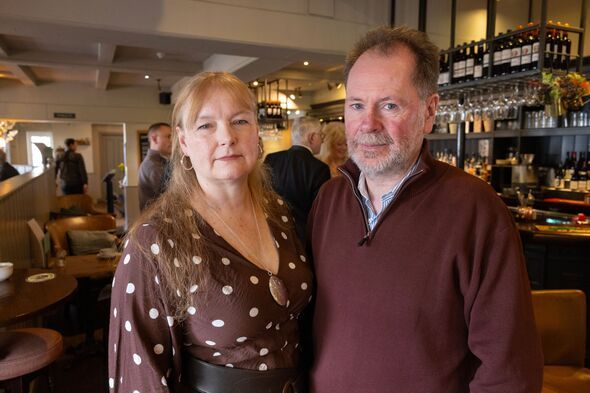
The Treasury has announced a 15% business rates discount for pubs. But Alison Taffs, 53, who co-owns Hornchurch's award-winning Hopp Inn, still expects rates to jump from "£2,700 to £6,500 in one fell swoop".
As well as the increase in business rates, the pub is having to cope with hikes in the minimum wage, alcohol duty and National Insurance.
She, too, has a stark message for the Chancellor: "If she wants growth, growth has to start with small independent businesses on local high streets. Everything we spend is local.
"We pay local council tax, we live locally, we spend all our money locally, we employ locally... We don't take out, we put in."
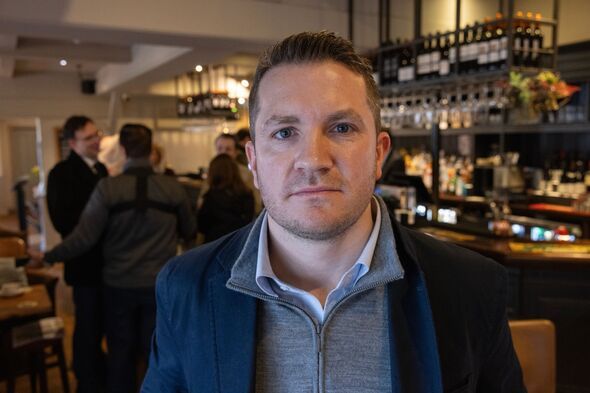
At the Jobber's Rest in nearby Upminster, Richard Ferrier, 40, the chief executive of Heartwood Inns, expects the pub's business rates to rise from £20,000 to nearly £44,000, even with the 15% discount applied.
Pressing for more help from the Treasury, he says: "There's just got to be something bigger and bolder around hospitality in general."
Explaining why so many in the trade feel aggrieved, he says: "There's a lot of frustration around the sector because we were promised fundamental business rates reform in the Labour manifesto. And unfortunately what we've seen is more and more costs loaded onto businesses that are already under a massive amount of pressure.
He argues hospitality can be "part of the solution" in helping young people who are not in education, training or employment get a job. But right now, he says, the industry is "apoplectic".