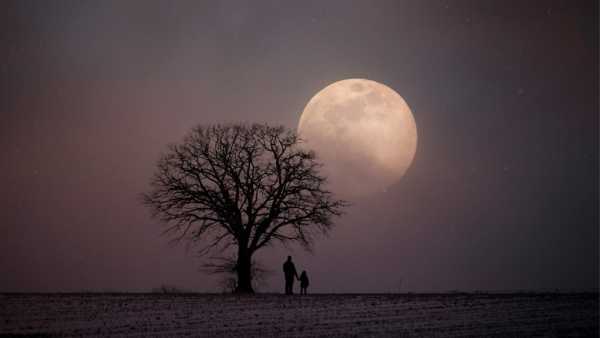
As February begins, skywatchers will be treated to one of winter’s most striking celestial events, the Snow Moon. Rising on the night of February 1, 2026, this Full Moon arrives at the heart of the winter season, a time long associated with reflection, endurance, and quiet transformation. Beyond its visual beauty, the Snow Moon also carries deep cultural and astrological meaning, making it a moment many people eagerly await.
From ancient traditions to modern stargazing, this lunar phase has captured attention for centuries. Here's what makes the Snow Moon so special, and when is the best time to see it.
According to The Old Farmer’s Almanac, the Snow Moon will reach its peak illumination on February 1, 2026, at approximately 5:09 p.m. Eastern Time. Even after that exact moment, the Moon will appear full and bright throughout the night, offering ample opportunity for viewing.
To catch the Snow Moon at its most captivating, look toward the eastern horizon at sunset on February 1. As it rises, the Moon will appear especially large and dramatic, a visual effect known as an optical illusion that occurs when the Moon is close to the horizon.
The Snow Moon will be visible near the constellation Cancer, adding another point of interest for astronomy enthusiasts. Under the right conditions, you may also notice a glowing ring or halo around the Moon, created when bright moonlight passes through thin clouds.
The name 'Snow Moon' comes straight from nature. February has historically been the snowiest month across much of North America and Europe, marked by relentless winter storms and heavy snowfall. Early communities named the Full Moon after the conditions they experienced, and this one needed little explanation.
For Native American tribes, February’s harsh weather made travel and hunting especially difficult. Because food was often scarce during this period, some tribes also referred to this Full Moon as the Hunger Moon, reflecting the challenges of surviving deep winter.
Astrologically, the Snow Moon is believed to amplify lunar energy. This phase is often associated with emotional healing, inner strength, and self-reflection. Many consider it a powerful time to restore balance, especially for those who feel influenced by lunar phases in their horoscope.
Culturally, the Snow Moon stands as a reminder of resilience. It reflects a season when communities historically endured extreme cold, scarcity, and isolation, yet found ways to adapt and survive. That symbolism continues to resonate today.