The government has launched its National Cancer Plan, which promises to fundamentally change how every cancer patient in the country receives support. It comes as the government promises 75% of patients diagnosed from 2035 will be cancer-free or living well after five years, following record investment in the NHS.
The core of this new National Cancer Plan is a commitment to individualised care, moving away from a one-size-fits-all model. For the first time, every patient will receive a Personalised Cancer Plan (PCP). This plan extends far beyond standard treatment and diagnosis to address the full spectrum of cancer’s impact on a patient’s life.
Support will be tailored to cover everything from managing anxiety and fatigue to offering guidance on diet and returning to work. Patients will be given an end-of-treatment summary to prevent the 'cliff edge' feeling many experience once chemotherapy or surgery is complete. This summary will provide clear instructions on warning signs, who to contact with concerns, and where to find crucial ongoing support, such as physiotherapy, counselling, or local cancer support groups.
Recognising the profound and lasting psychological toll of cancer—including anxiety, depression, and trauma—the Personalised Cancer Plan is designed to ensure patients receive the necessary mental health support to rebuild their lives after physical recovery. According to Macmillan Cancer Support, more than 420,000 people are diagnosed with cancer each year in the UK. On average, someone in the UK is diagnosed with cancer at least every 90 seconds.
The new, patient-centric approach is rolling out this year, marking a significant shift that ensures care is designed around the patient's life rather than requiring the patient to conform to the NHS system. The government says this not only improves well-being but is expected to help people return to work and family life sooner.
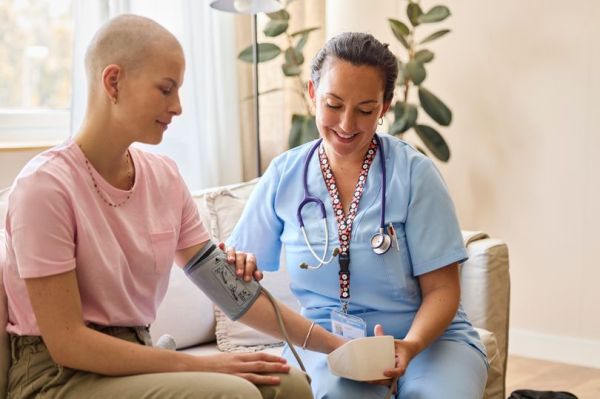
Digital access to care is also being revolutionised through the NHS App. The app will be transformed into a comprehensive digital portal, connecting patients to specialist cancer charities for support immediately upon diagnosis—offering help with everything from financial advice to emotional support 'at a tap'. It will also allow patients to book screening appointments, access prehabilitation programmes, view their patient record, check their PCP, and provide feedback on their care from home.
Secretary of State for Health and Social Care Wes Streeting said: "If you’ve ever sat in a waiting room dreading what comes next or laid awake at 3am wondering how you’ll pay the bills while you’re off work for treatment, you’ll know that cancer doesn’t just attack your body - it takes over your whole life. I was fortunate. I had a supportive employer, a family who could rally around me, and the financial security to focus on getting better. But I know that’s not everyone’s reality - and it shouldn’t be based on luck.
"For too long, we’ve treated the tumour and left patients to figure out the rest on their own. That ends now. This plan means nobody gets handed a diagnosis and is then abandoned to navigate the system alone. This is care that actually fits around people’s lives, not the other way around. It’s the biggest shift in how we support cancer patients in a generation."
Looking ahead, a major structural change is planned by 2035, when every cancer patient will be assigned a named neighbourhood care lead. This person will be responsible for joining up a patient's care after treatment, ensuring continuity and ending the frustration of being passed between different services. Supporting this vision are new standards to be introduced by 2028, which will focus on helping patients become fit for treatment and recover quickly, including through prehabilitation, rehabilitation, and physical activity programmes.
The National Cancer Plan follows a significant government pledge that three in four cancer patients diagnosed from 2035 will be either cancer-free or living well five years later. For the first time, the NHS will commit to ensuring three in four people diagnosed with cancer from 2035 onwards are cancer-free or living well after five years.
This represents the fastest rate of improvement in cancer outcomes this century and will translate to 320,000 more lives saved over the lifetime of the plan. The NHS has not met its central cancer performance target - that 85% of patients start treatment within 62 days of referral - since 2014. Survival rates are below Romania and Poland for some cancer types.

Under this plan, that will change - by March 2029, the NHS will meet all three cancer waiting time standards, meaning hundreds of thousands more patients will receive timely treatment. This demonstrates the real change being delivered by the government’s record investment as we rebuild the NHS. Up to 60% of patients currently survive for five years or more and around 2.4m people are currently living after a cancer diagnosis.
Professor Peter Johnson, NHS national clinical director for cancer, said: "Almost everyone will know someone who has been affected by cancer – a friend, a partner, a parent or a child – and for many people it will be part of their own story too. This plan sets a clear roadmap for the NHS to diagnose more cancers earlier, ensure more patients are treated on time and improve survival, so that hundreds of thousands more people live longer, healthier lives with or after cancer over the next decade.
"This is alongside delivering the latest breakthroughs in cancer treatment and care to every corner of the country, improving access to pioneering trials and ensuring there is wraparound support for people closer to home. The National Cancer Plan will see the NHS deliver world-class cancer care, offering renewed hope for millions and ensuring the health service is there for patients whenever they need it."
Other measures already announced include:The government is also reporting progress in tackling waiting lists, with 213,000 extra cancer cases diagnosed or ruled out on time since July 2024. This is supported by 170 community diagnostic centres now open, with over 100 offering checks, scans, and tests during evenings and weekends to be more accessible to the public.